
South Africa’s market leader has much in store for 2026
One of our favourite events every year is Toyota’s State of the Motor Industry day, when SA’s biggest carmaker takes a look back at what it and the car industry achieved and then allows us a little peek into the crystal ball. The most important bit for us, is that the ninth incarnation of SOMI previewed more or less what Toyota South Africa Motors plans to get up to this year.
So excuse us if we turn it upside down, but first off, here’s what to expect in 2026. The Toyota brand remains central the company’s new Five Brand global strategy, according to sales suit Leon Theron. Toyota, Lexus and the now standalone GR Gazoo Racing will continue to in their central role of delivering ever better cars. Also now a standalone, Toyota’s flagship Century and value-focused Daihatsu compliment the global picture.
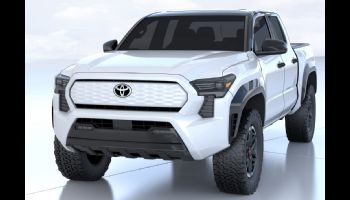
Future plans on Century and Daihatsu remain sketchy, but the local focus will continue on Toyota, Lexus and GR. While Theron and his peers remains schtum on New Hilux, we understand SA’s best seller is set for a second quarter launch, they were forthcoming on other models highlighting the company’s new multi-pathway strategy.
Every technology in a multi-pathway strategy
Toyota demands that no single technology can address all customer or market needs. Instead, Toyota will advance with a balanced mix of combustion, hybrid, plugin hybrid, battery‑in hybrid, battery-electric and hydrogen vehicle solutions. Toyota is already well advanced in supporting the EV ecosystem, as well as carbon neutral‑neutral fuels and a circular economy.
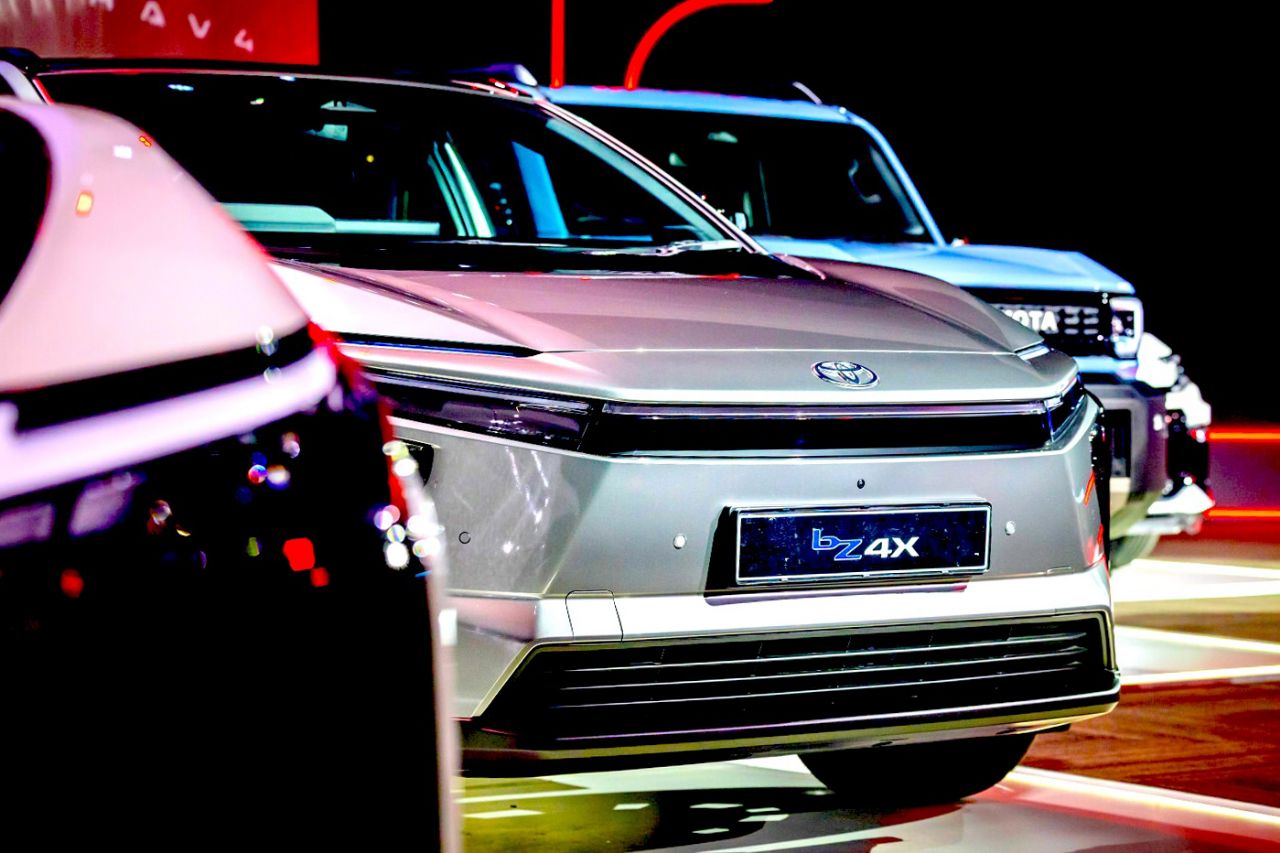
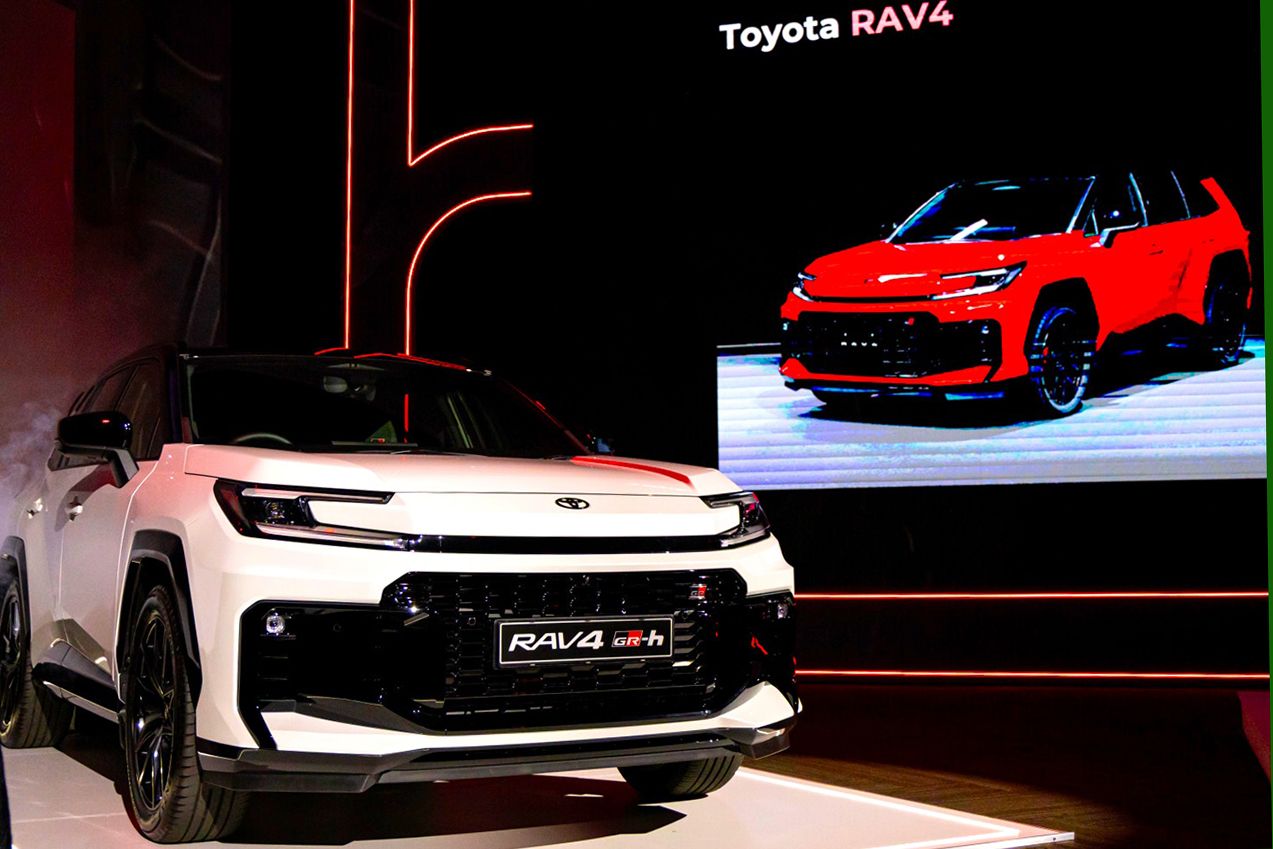
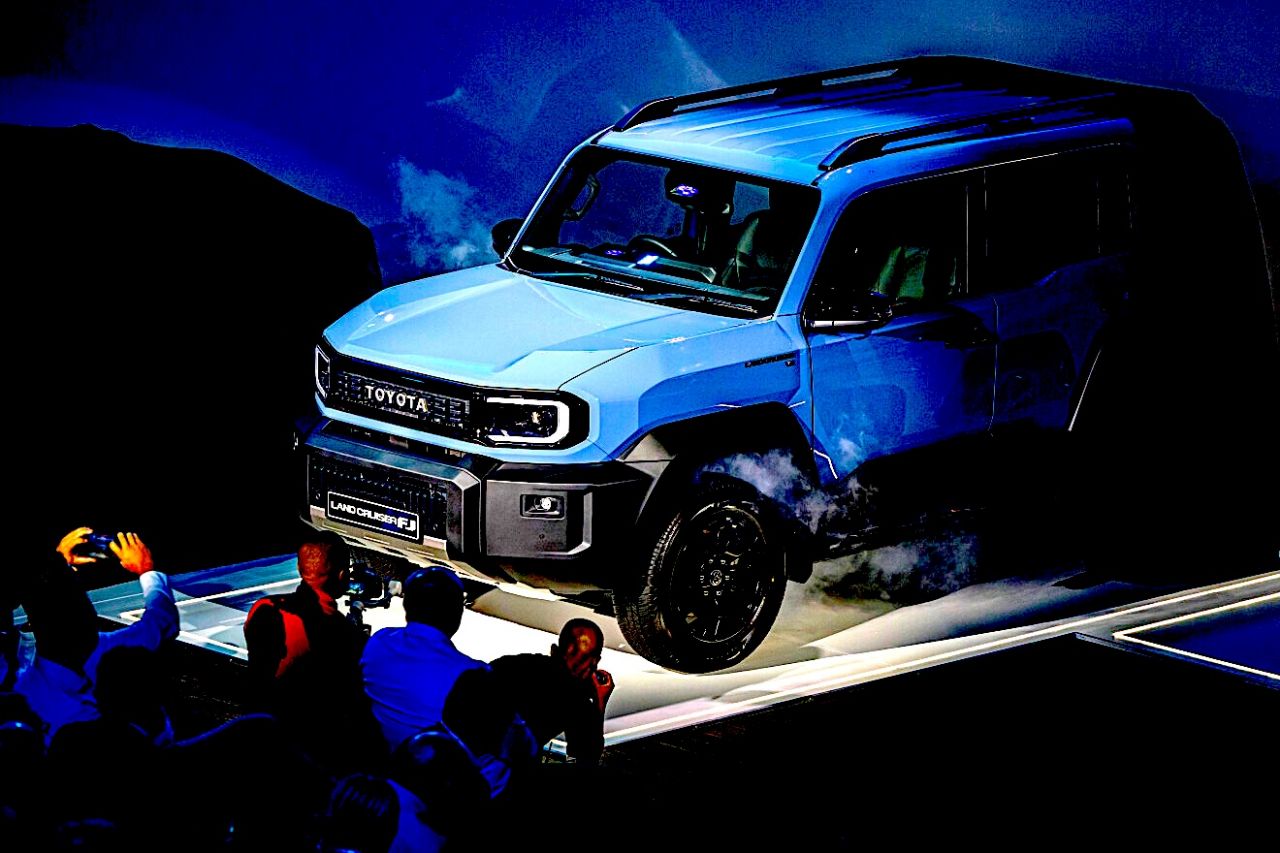
To that end, the company confirmed several new arrivals for the coming season. Among them, the all-new hybrid and plug-in RAV4, the Corolla Cross GR-S Hybrid and a new Land Cruiser 300 1M Hybrid. 2026 will also see South Africa’s first-ever Toyota’s first EV, the bZ4X arrive alongside two Lexus RZ and RZ 600e battery electric cars. The new FJ Cruiser mini-SUV was also unveiled at SOMI.
Gazoo Racing also announced a new GR Parts accessories range via GR Zone dealers and an intriguing new collaboration with local Dakar and SA Touring Cars team SVR. This new GR modification arm will offer official GR customisation services on Toyotas. GR also confirmed another season of its Media Cup racing challenge. Could Auto’s staff beyond the maximum qualification required for that gig…?
So, what’s Toyota bringing for 2026?
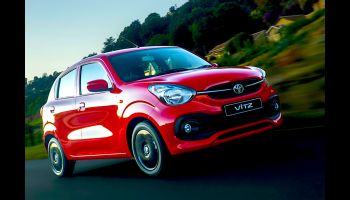
Looking back at 2025, Toyota seems satisfied with its resilient 2025 sales results in an increasingly competitive market. Attributed in part to more Indian-sourced entry point passenger cars, the company sold 148,124 new vehicles for a quarter share of the South African new vehicle as it extended its market leadership to 46 consecutive years.
Toyota controlled a third of the light commercial, one fifth of the small car and 61% of the SUV markets. Lexus broke its 3.5% premium market share record and Hino catered for 13% of the heavy market. CEO Andrew Kirby thanked Toyota’s loyal customers, stakeholders and suppliers to start his address, before considering highly unpredictable global and local industry environments.
“We live in uncertain times,” Andrew pondered. “The question is not if disruption will come but how we respond to it. That demands resilience, curiosity and innovation. We must grow our auto industry volumes across the board and not rely on exports to fill gaps. We must strengthen our industry, attract new investment and grow the economy with small adjustments to stable policy, local investment and a deep local supply chain.
Happy with Europe’s combustion reprieve
Kirby welcomed the European Union revising its targets to keep carbon-zero fuelled combustion and hybrid vehicles in the mix beyond 2035. “This pragmatic shift allows multiple pathways to net‑zero, but we cannot rely on one export destination and assume conditions will stay the same. Ever-changing emissions regulations across countries and regions remain a real risk.”
By contrast, South Africa has no NEV targets or regulations, although additional investment support for EVs and fuel cell vehicles commence in April. “We must accelerate our NEV adoption by clear goals and policies and the absent charging infrastructure required to achieve our 2050 net‑zero target,” Kirby explained. “Until then, hybrids and plug-ins will offer practical local alternatives.”
In closing, Kirby promised that Toyota South Africa will continue to treat each customer uniquely as the company shapes its products and services around real world needs to avoid becoming an import-dependant market. He concluded that right policies would unlock R21-billion in extra manufacturing create 15,000 new jobs and grow South African vehicle sales beyond 700,000 off production of more than 720,000 units.