Concerns grow as quickly as Chinese brands, cars mushroom
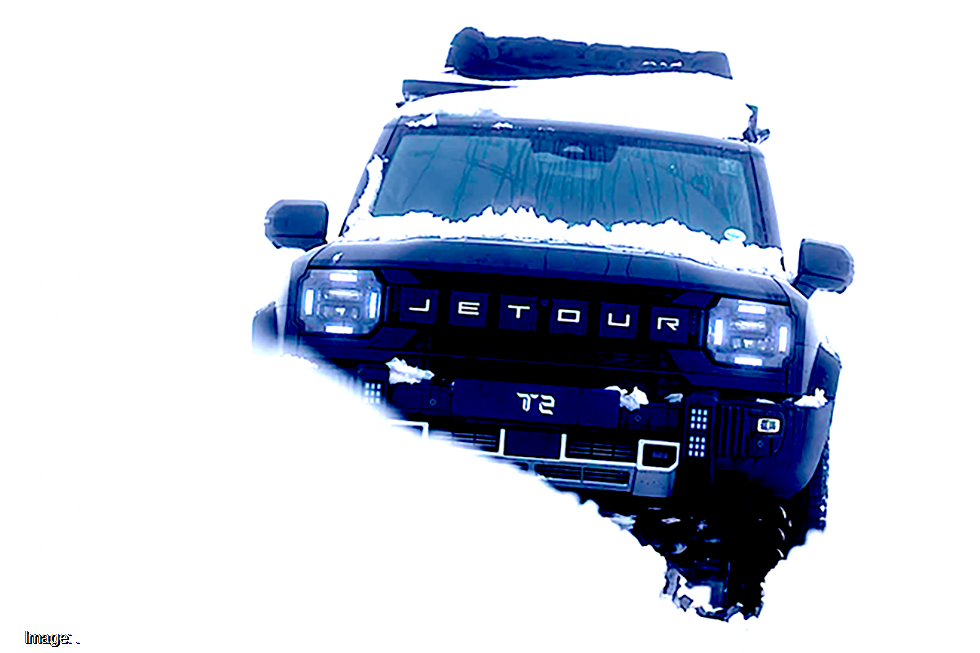
While Chinese carmakers continue to indulge influencers, cut ‘n paste artists and gullible mobility ‘media’ types, more seasoned observers have become increasingly concerned by certain aspects of Oriental motoring in Africa. For instance, while Jetour wined and dined guests in the snowy mountains, the brand is struggling on another, more slippery slope.
The Jetour payload controversy caused immediate concern after it, as the Automobile Association so succinctly put it, ‘marked its own homework’ by fiddling its considerably criticised T1 and T2 SUVs’ scant 300 kilogram payloads. Barely enough for me, my fat aunt and her handbag, Jetour somehow recently had the National Regulator for Compulsory Specifications revise that figure up to a still hardly adequate 475 kg.
Which had Auto scratching our heads how that could be possible? Considering there were no chassis changes involved. Enter the AA, which last week conducted a series of independent weighbridge tests (below). Which revealed that the T2 Xplora 2.0T, of which a fleet was at the same time carrying hefty safari camping kit and all their luggage, and ferrying media across the snowy Berg, still fell 20 kg short of its hastily revised 475 kg rating.
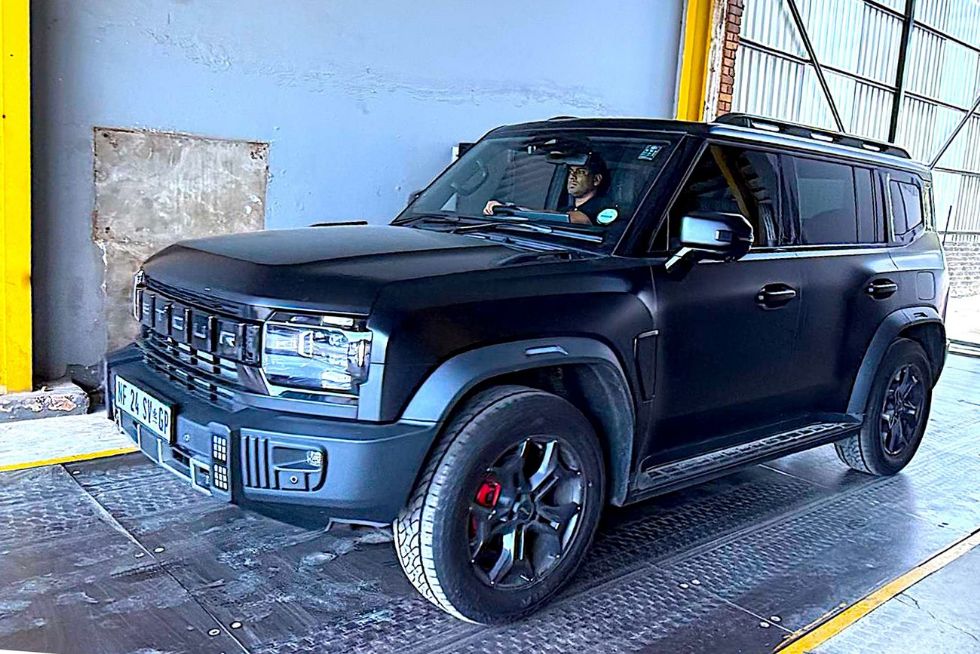
‘How can a carmaker fiddle specifications?’ - AA
The Automobile Association likewise questions how a carmaker can hike a statutory specification by 200 kg without actually making any mechanical changes to the vehicle concerned. The AA also queries the National Regulator for Compulsory Specifications’ involvement in this fiasco. And demands that these revised payload ratings be independently tested. Along with all other crucial vehicle regulatory specifications.
The Jetour payload controversy is however but one of many questions asked, as Chinese automakers continue to flood the market with new brands and often grossly underdeveloped models. This wave of concern touches on everything from homologation irregularities to severe digital vulnerabilities.
Among those, hastily mushrooming Chinese giant BYD’s cyber and connected-car security fiasco around its newfangled cars’ data privacy concerns, has escalated from theoretical geopolitical anxiety to verified vulnerability. Also just last week, a US Fortify Labs cybersecurity researcher easily remotely hacked a BYD Shark 6.
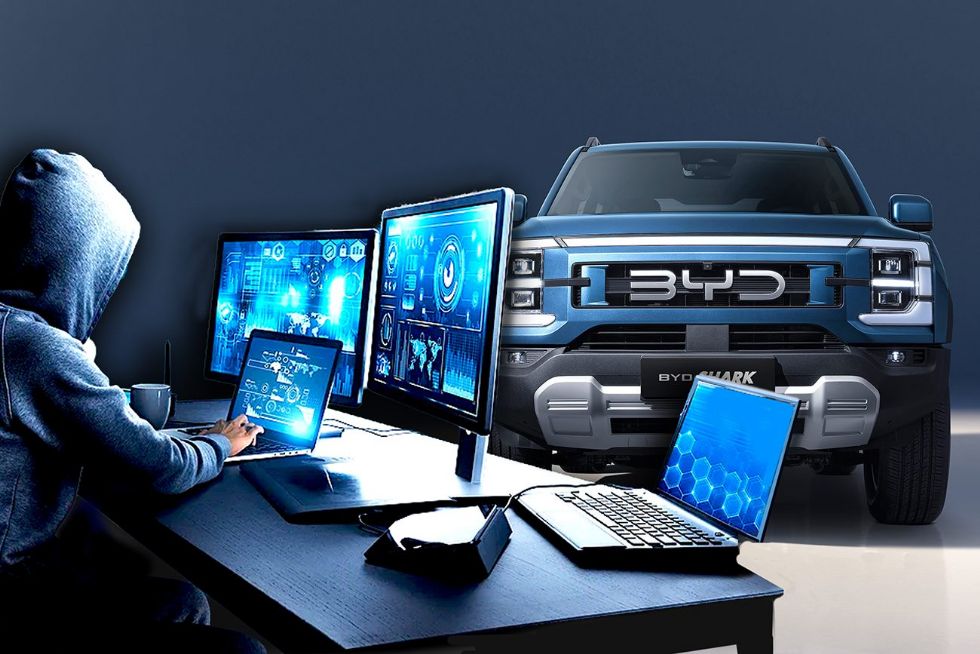
The hacker easily accessed BYD’s locks. And the mic.
The hacker instantly dodged the bakkie’s menial password protection to access its door locks, infotainment system, real-time location tracking and most alarmingly, activate the cabin microphone to eavesdrop on the driver and passengers. Think about that for a second…
The ease of the breach has validated US Department of Commerce and Western regulatory fears. It's also led to escalated US and Western calls to ban Chinese connected-car software (and thereby, Chinese cars) on fears of the unsecured telematics’ ability to commit mass corporate espionage, identity theft, and more.
These latest concerns are only the start. Chinese car brands have long gained infamy around a number of issues and anxieties. Rapidly expanding Chinese car markets like South Africa and Australia for instance suffer parts availability and after sales crises. Enough for local insurers to warn Chinese car owners to up their policies’ replacement vehicle rental clause to at least six months. To cater for severe supply chain bottlenecks.
Overbearing ‘advanced’ assistance systems
Seasoned car experts often question Chinese cars themselves. Overbearing ‘advanced’ driver assistance systems like forced lane keeping, speed limit chimes and driver monitoring cameras are notoriously aggressive and poorly calibrated to local conditions. They’re often highly intrusive and almost impossible to extinguish without tedious manual deactivation every time the ignition is cycled.
Incompatible infotainment is another common Chinese bugbear. Unstable software freezes, massive digital screens suffer English sloppily translated from Mandarin and voice systems struggle to comprehend the South African accent. Some cars have their own, most foreign mirroring solutions, while those with CarPlay and Auto often freeze and drop connection, while charging pads overheat Western devices.
Chinese car engines and transmissions may generally be robust. But their mapping is mostly poor and underdeveloped. Dual-clutch and other wacky gearbox solutions suffer severe launch failure and laggy, jerky shifting. Chinese car chassis may be tuned for the glass-smooth Mainland highways. But driving dynamics on rougher South African roads is nothing short of dire. All regular concerns you will find written in Auto's many Chinese car tests.

How good really are those obscure Chinese tyres?
While there are indeed some exceptional Chinese tyres, Mainland carmakers tend to export premium models on dubious and unproven tyres. They foster a crashy ride and compromised damping, degenerate cornering stability and promote bump steer to cause many Chinese cars to feel second rate and underdeveloped. Of greater concern, however, this rubber ominously lacks wet grip and braking ability, compared to traditional rivals.
Speaking of drivetrains, the Chinese tend to push unproven and unrealistic technology down owners’ necks in niches where it’s least practical. They for instance sell hybrid bakkies on great performance and economy claims. Only to fall flat when inadequate combustion power takes over once the battery depletes after a surprisingly short distance. This in a niche dominated by practical, traditional combustion pickup trucks.
This double edged sword most affects hapless owners who’ve succumbed to that smoke and mirrors. See, Chinese vehicles, and especially those with these supposed new energy power solutions, suffer rampant depreciation as resale values plummet well beyond already alarming industry norms. Which is reacting to the sheer glut of new Chinese models, aggressive launch pricing and rapid fire facelifts.
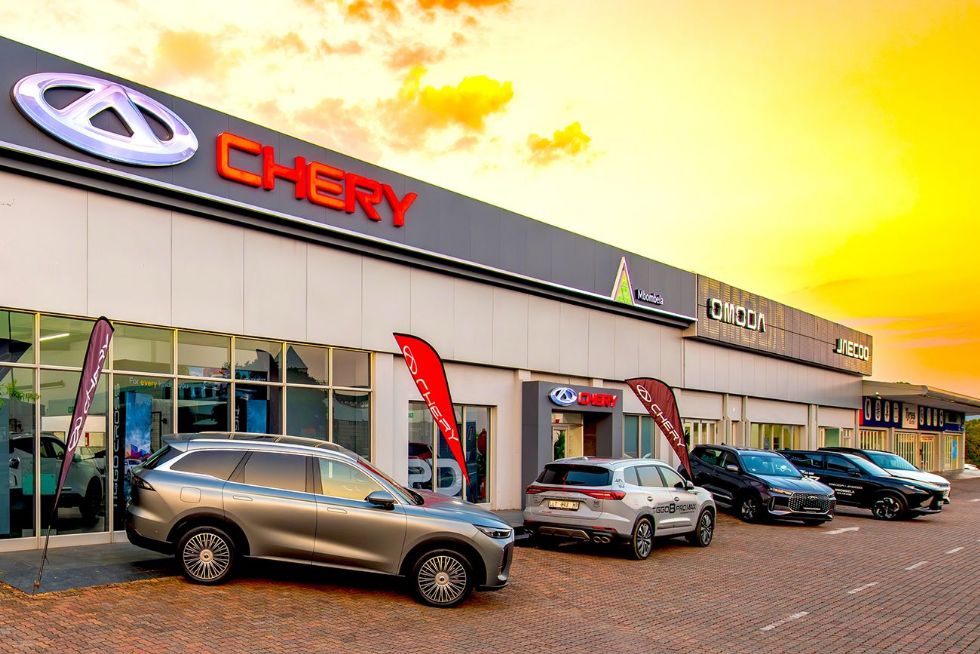
Are Chinese cars’ South African success a fallacy?
Unlike in Australia and some other markets where they dominate and pose a significant threat to traditional brands, the perception of Chinese cars’ South African success is something of a fallacy. While Chinese cars have undoubtedly made a huge mark on locally, they have not, as many make out, had much effect at all on the top end of the traditional market. That has also grown well in its own right over the past five years.
Chinese cars have instead carved themselves a niche somewhere between the bottom of the traditional new, and the top end of the used car markets. There’s no denying that great pricing, impressive warranties and some really sharp looking metal has its advantages.
For those pros, however, there’s also a growing list of cons. Of which brands fiddling significant safety specifications, hugely disconcerting grand scale cyber espionage, rampant depreciation, poor real support, and a growing litany of other concerns; never mind a rapidly reacting traditional car market, no longer make buying a Chinese car the instant decision it may have until recently been… - Michele Lupini