Chinese cars don’t hurt legacy sales. Rather used. And each other.
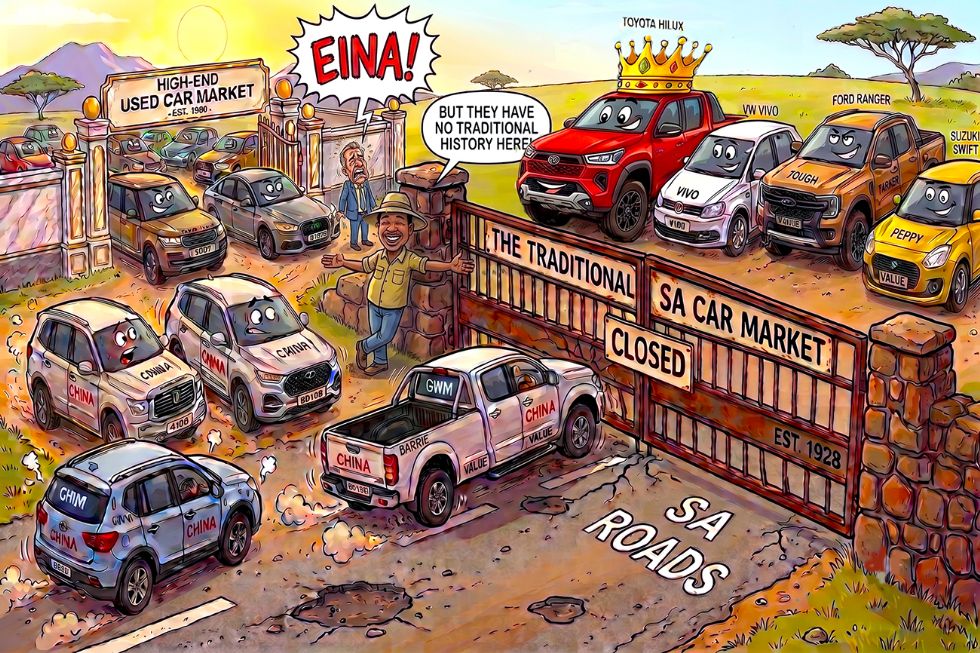
So you reckon the Chinese cars are killing the traditional brands in the South African car industry? Think again!
While the Chinese have indeed grown fivefold as their barrage of new brands assault the local market, they’ve had very little effect on the halo brands. If anything, the top selling cars sales have gained by at least a third over the past five years.
Taking a basket of South Africa’s ten most popular cars’ average monthly sales over the past year versus five years ago, sales have indeed increased by a third. From just over 10,000 in 2021, to close to 14,000 over the past twelve months.
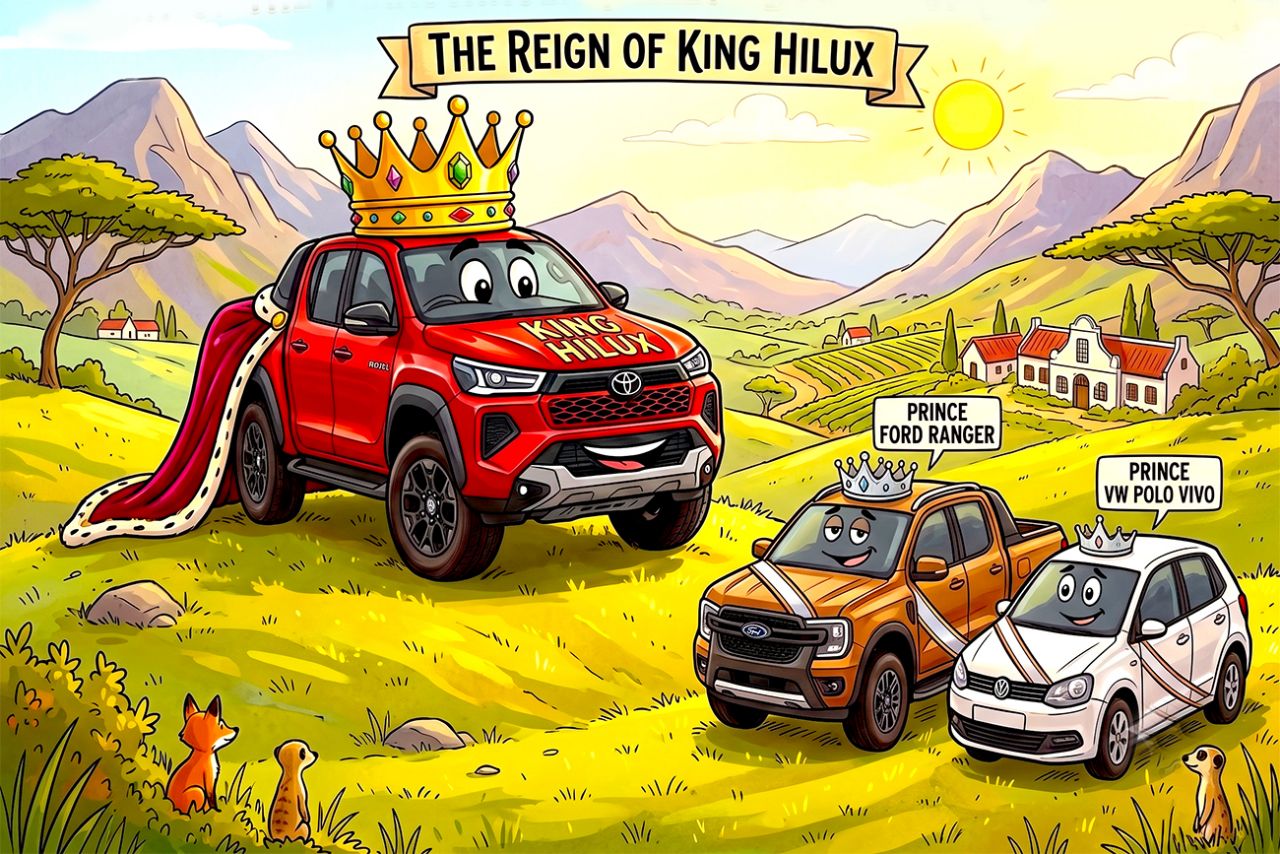
Hilux, Ranger, Vivo and the rest gained sales
Looked at individually, the top selling Toyota Hilux has climbed from 3007 units sold on average every month in 2021, to 3137 sold every month this past year, based on NAAMSA sales data.
It’s not alone. The Ford Ranger is up from 1976 to 2121 sales, Volkswagen Polo Vivo sales have grown from from 1823 to 2150 in that period and the Isuzu D-Max is up from 1358 to 1678 in that same time. Further down the charts, other markers include the Toyota Fortuner, which has slipped a little from 769 to 705.
The Hyundai Grand i10 on the other hand, almost doubled from 583 to 997 sales. The Suzuki Swift more than doubled from 694 to 1480, while BMW X3 went from an estimated 330 to 380 sales. And the Suzuki Fronx climbed from nothing to 1146 over the past three years.
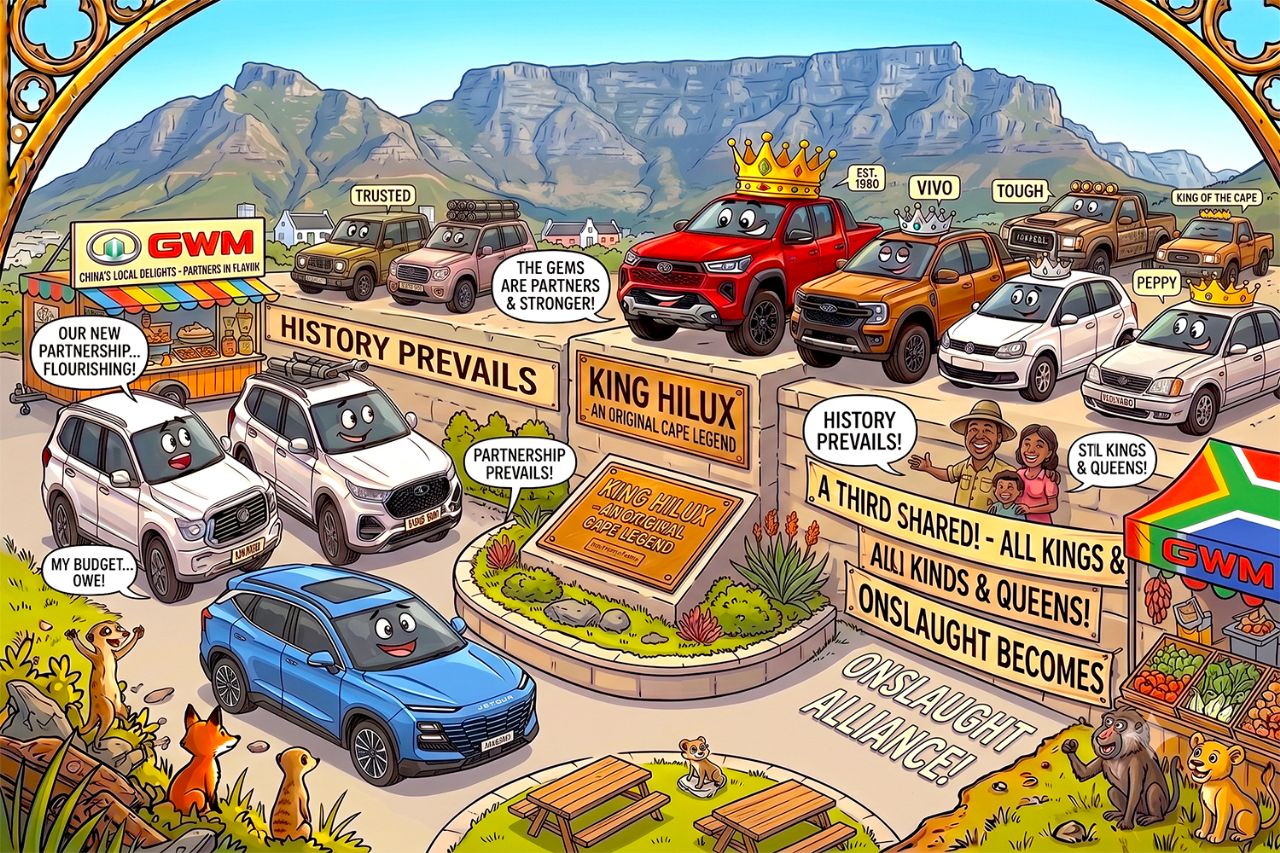
Overall new car sales have charged ahead
That’s of course taking sales from a point of lockdown, but it should be noted that the market more or less normalised through 2021. It has since charged though the past two years. Not only have the traditional market leaders gained significantly, but the newcomers led by the Chinese have seen our sample bundle mushrooming by two thirds.
660 Haval Jolyons and 320 GWM P-Series were the two biggest selling Chinese cars in 2021. Both have grown, with the Jolyon selling over 1200 in 2026 and as the P-Series passed 600 registrations. Add the likes of the Chery Tiggo 4 Pro selling 1544 units on average in 2026, the Omoda C5 at over 900 and the Jetour T2, 750 among many more.
In other words, the lot of them have contributed an additional 5,000 odd sales every month, over and above the traditional top selling models gaining well over 3000 sales in that time. All of which poses some most interesting questions. Like who is buying all these new era cars, if the legacy brands are themselves growing in sales?
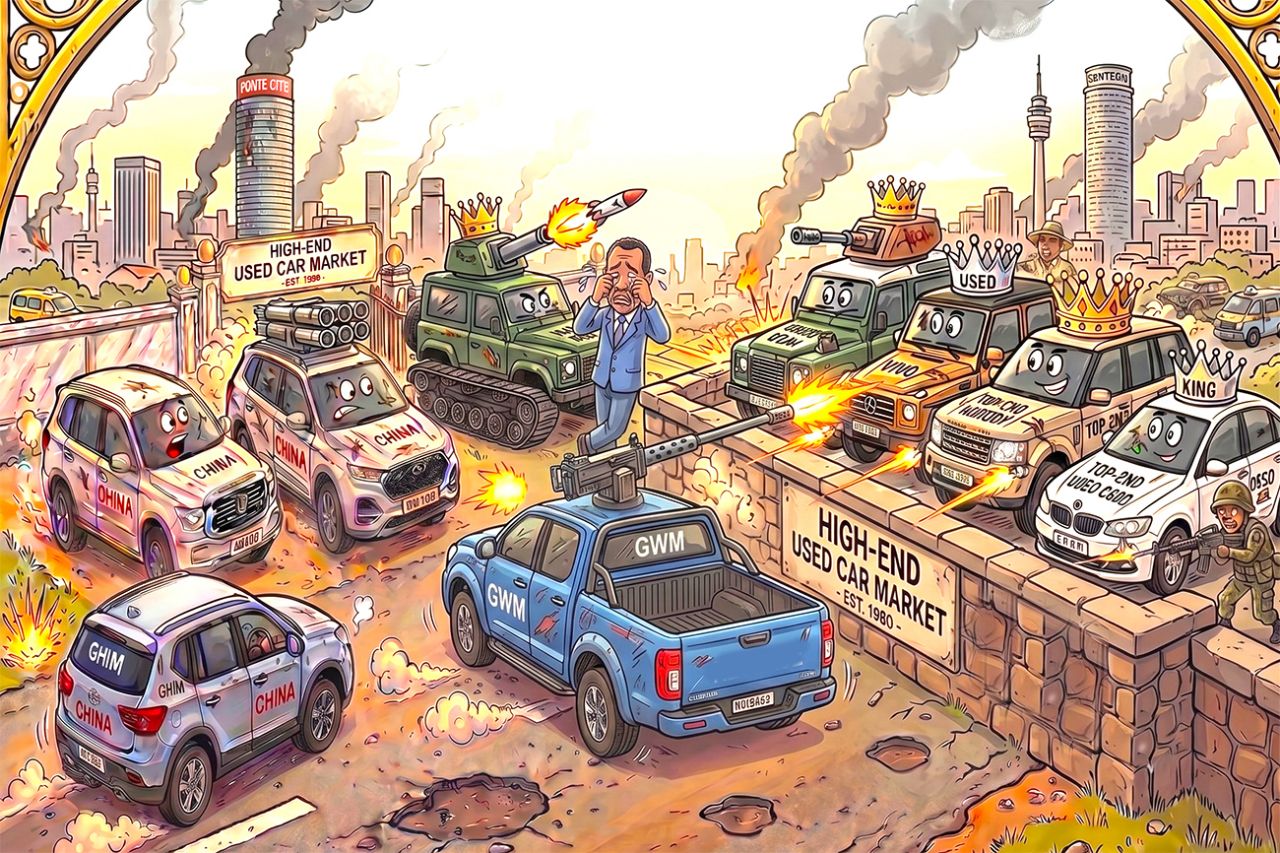
Are new Chinese cars eating into the used market?
It could be assumed that affordable new Chinese cars are replacing top tier used cars, which we hear are struggling, leading to resale values plummeting more into line with international trends for the first time. Cheap and feature rich and some say less compromised than their price difference suggests, most Chinese cars are backed by incredible warranties and allegedly great back-up.
There are indeed minefields to clear owning Chinese. Insurers for instance warn that owners should increase the hire car aspect of car policies to up to six months on the chance parts availability struggles. And with so many brands emerging so quickly, will all of them survive? Especially if as it seems, they’re fighting more among themselves and with the used market, for market share.
The biggest takeaway, however, is that despite that urban legend, Chinese cars appear to have zero effect on traditional car model and brand sales in South Africa after all. If anything, the Chinese are praying off the top end of the used car market, and each other as they develop a new tier that will likely now sit between traditional new and used cars.
How sustainable that will be in the longer term remains to be seen. And rather than starting a late slip, we’d expect the halo brands to continue to improve as they hone pricing, backup and support around their long held strength of product in the ongoing wake of the Chinese attack. Most interesting motoring times, indeed. – Michele Lupini