Secret Fit stars in an ever changing world of mobility
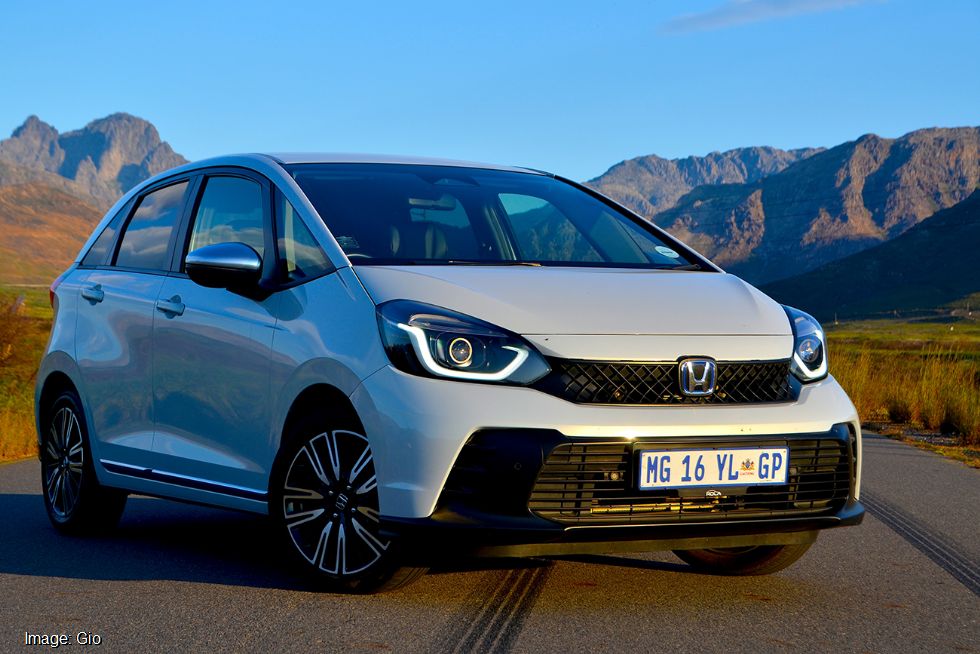
The Honda Fit Hybrid has always intrigued us. Made in Japan, Fit replaced the Indian-built Jazz in this market a few years back and this hybrid has quietly gone about delivering on its petrol electric promise ever since. Suppose that it so well encapsulates the notion of ‘yunobi’, or the beauty in objects perfected over time, makes it ‘Fit’ for purpose...
Honda’s lightweight, compact and efficient e:HEV two-motor powertrain comprises of a pair of compact, yet powerful electric motors powered by a lithium-ion battery. The electric drive motor spins up to 13,300rpm at Fit Hybrid’s 175 km/h top speed. and works in tandem with a 1.5-litre DOHC i-VTEC petrol engine.
Both power the front wheels, while a a second electric motor generator powers the rear axle. An innovative fixed gear ratio CVT seamlessly switches between EV Drive, Hybrid Drive, when the engine turns the generator to power the electric motor. Or Engine Drive, where the petrol engine engages the wheels directly via a lock-up clutch.
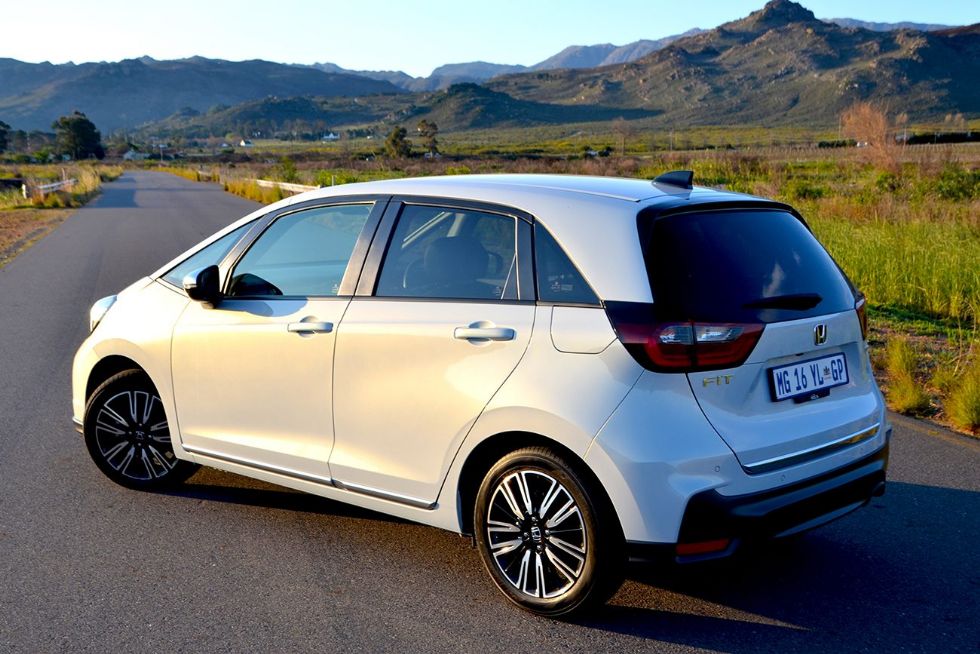
Driving Honda’s smart Hybrid makes you think
The system transitions between EV and Hybrid modes for best urban efficiency, while Engine mode takes over at highway speeds, albeit boosted on demand by the electric d motor. The petrol engine turns the generator to recharge the battery In Hybrid Drive, complemented by regenerative braking in EV Drive
Fir Hybrid’s 80 kW and 253 Nm total output and intelligent power control unit combine to deliver a compelling blend of performance and efficiency. Honda claims 100 km/h in 9.4 seconds and on to a 175 km/h top end, but we ran well under 9 to 100 in our tests
Real world economy is however Fit Hybrid’s silver bullet. Honda claims 3.7 litres per 100km and tax exempt 88 g/km CO2 emissions. See, Fit’s novel e:HEV Hybrid system maximises the strengths of its driving Modes to takes advantage of free, rechargeable battery energy and its torquey electric motor off the line to a point where the petrol engine takes over at its optimum. That versus a conventional petrol engine uses most fuel to get off the line and accelerate to cruising speeds.
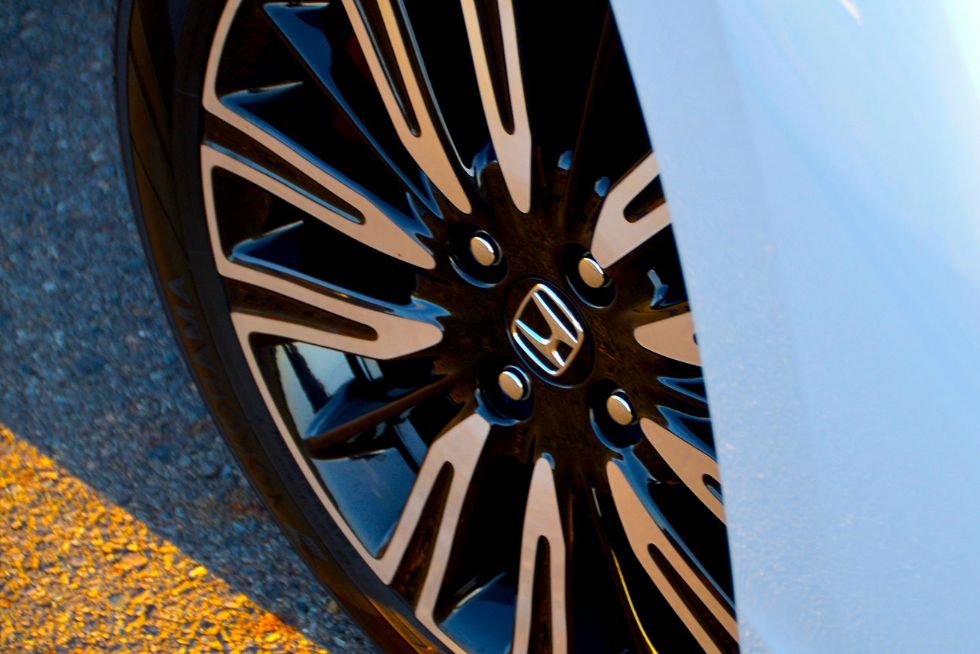
Fuel Efficiency is the Fit Hybrid Silver Bullet
This perfect storm allows the Honda Fit Hybrid to return almost impossible fuel consumption. We easily matched Honda’s 3.6 l/100 km claim and even broke into the high 2 litres per hundred in preferable conditions.
Motoring on gas on the open road and taking advantage of that harvested free electric energy in the traffic, our overall test fuel use was a real 3.9 litres per 100. Put in layman's terms, there was more than a third of a tank of petrol left after a week. And over 500 km of mixed driving.
Getting back to the more mundane, the Honde Fit chases a more diverse customer profile than the old Jazz did, while still catering for loyal owners. Its monobox style combines efficiency and usability as much as its styling divides opinion. Either way, its low, compact stance cuts a cool pose.
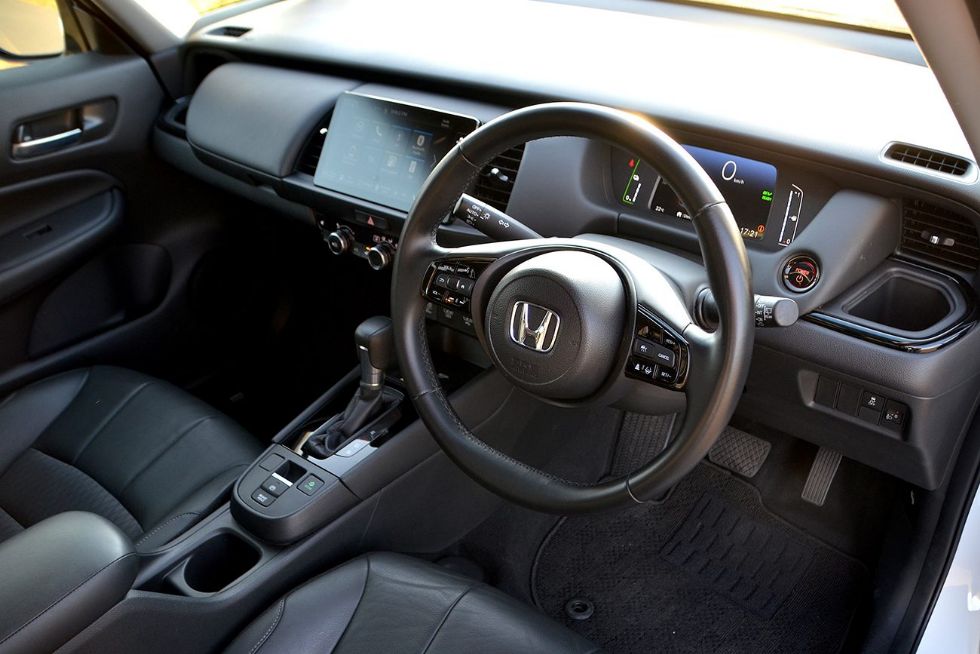
A comfy, spacious, high quality cabin
Narrower A pillars and hidden wipers deliver a clear view out of a comfy, spacious and quality cabin. Especially at the rear. Practical, functional and simple, it’s uncluttered and clean. Durable soft-touch finishes highlight quality, and best of all, it’s clever. Greater lumbar support seats minimise fatigue, the central armrest is comfortably height-aligned with the door rest.
Fit’s clear and simple driver centric dash has 7-inch full TFT dials. Ergonomic, seamless and intuitive, the smartphone-style 9-inch HMI infotainment has Auto and CarPlay. And some quirky connectivity habits. But real buttons and knobs for heating and ventilation are a win versus thar horrid previous touchscreen.
Rear legroom leads the class. A broader tailgate accesses a versatile flat-floored 309 litre boot. Fit’s exceptional sliding Magic Seat configuration also has a flip-up rear seat. Or fold the rear seats flat for an impressive 1210 litre bay
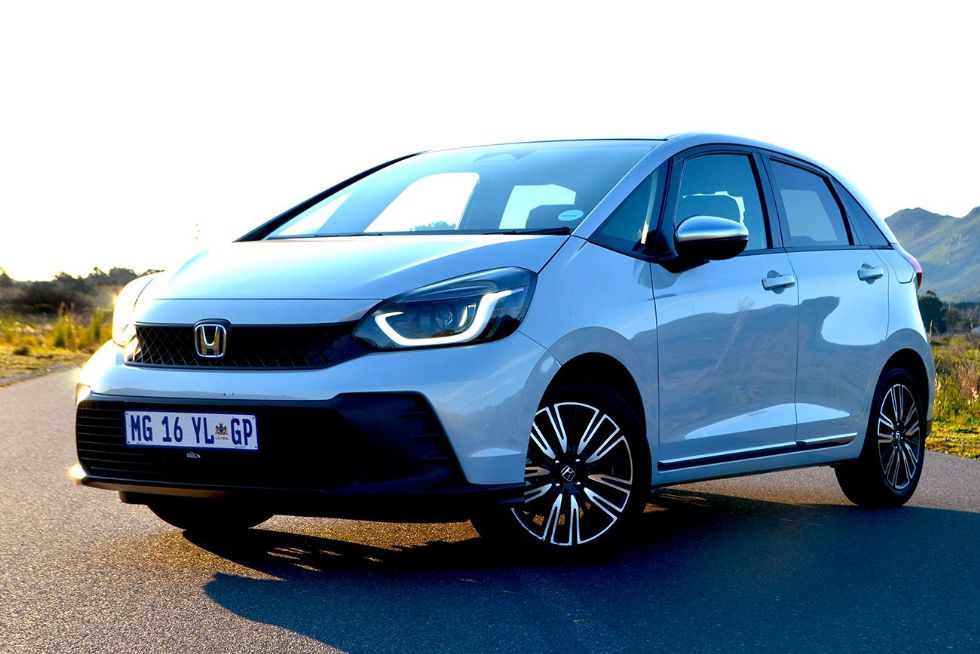
Smart Fit a great hybrid compromise
Honda’s hybrid Golf and Corolla rival Fit does everything any petrol car does just as well, if not considerably better. It’s more powerful, quicker, faster and far more economical. And its’ pretty well priced and backed too.
Honda has a winner in the Fit e-CVT Hybrid. Its role in this ever changing world of mobility should really not be such a secret, because it plays its many strengths to perfection. — Michele Lupini
Data & Images: Giordano Lupini
ROAD TESTED: Honda Fit e-CVT Hybrid
Engine: 80 kW 253 Nm 1.5-litre petrol-electric I4
Drive Motor: Synchronous Permanent Magnet
Drive Battery: 170V 0.86 kWh Lithium Ion
Drive: Hybrid Automatic CVT FWD
TESTED:
0-60km/h:         3.60 sec
0-100km/h:        8.28 sec
0-120 km/h        11.88 sec
400m:             17.1 sec @ 137 km/h
80-120km/h:       6.30 sec
CLAIMED:
VMax:             175 km/h
Fuel:             3.7 l/100km
CO2:              88 g/km
Range:            1075 km
Warranty/Service: 5y 200K/4y 60K km
LIST PRICE:       R544K

How does it compare?
Check with Auto's Test Data right here