2,000 km around France in a plug-in Toyota Prius
The mission was simple. We were on the way to Le Mans to watch Toyota’s Hybrid Gazoo Hypercars take on Ferrari and the rest in the 24 Hour, so we decided to take the long way there and tour France. What better a way to sample plug-in hybrid motoring first hand?
Anyway, the automotive landscape is changing faster than I can type this story out. Electric Vehicles were supposed to be the future. But nobody took market sentiment into account. So, despite the billions spent to bring EVs out of the cupboard, people just don’t want them after all. So it’s back to the drawing board.
Designed as a stopgap, plug-in hybrids are surging as EV sales falter. Over a million plug ins sold in the first quarter of 2024 versus 600K last year. See the trend? Intended to give you a short range EV to conclude your city chores without using any gas throughout your week, used correctly, a plug-in does the same job as an EV in the urban realm.
What it Like to Live With a Plug-In Hybrid
But come the weekend, or holiday, and you’re no longer limited. The gas engine simply takes over and you just drive on. But surely that road is littered with obstacles? Our mission was to learn how to live with a plug-in hybrid, to discover the advantages, as much as to find out the drawbacks of plug-in hybrid motoring on the open road. Warts and all.
Toyota Hybrids are nothing new, and Prius was the pioneer. 5 million Prius have cut carbon emissions by 82 million tonnes since 1997. Toyota and Lexus now make hybrids across all segments to satisfy a far broader customer base. Which meant pioneer Prius had reached a turning point. So, Toyota completely reinvented it to keep Prius relevant for another 25 years.
Now only available as a Plug In Hybrid, or Prime as it is called in the US, this latest Prius gets an upgraded previous Plug In drivetrain. It pairs a 106 kW 2-litre four-cylinder petrol engine with a 115 kW EV motor to drive the front axle via a CVT transmission. Its combined 160 kW is a very handy 75 kW up on the previous model.
Cooler Prius is Quicker, Thriftier than Before
Toyota promises captivating driver performance, claims 6.6 seconds to 100 km/h and that you can travel up to 90 km on the battery only. Despite being the quickest Prius yet, the larger engine also matches the old 1.8-litre on fuel efficiency. Its 13.6 kWh battery sits under the rear seat to boost range by 50%. Its among the best of any PHEV.
Prius’ efficiency is partly courtesy of much improved battery energy density. It also has a solar roof to generate enough energy for 1250 km of EV driving a year. The roof furthermore charges the battery while the car is parked. It powers the climate control and other systems too.
Our 2,000 km lap around France, proved more than just interesting on so many fronts, as you will read anon. Ten days of driving taught us as much about Prius, plug-in motoring and even the EV first world, as it did about France. But let’s stay with the car.
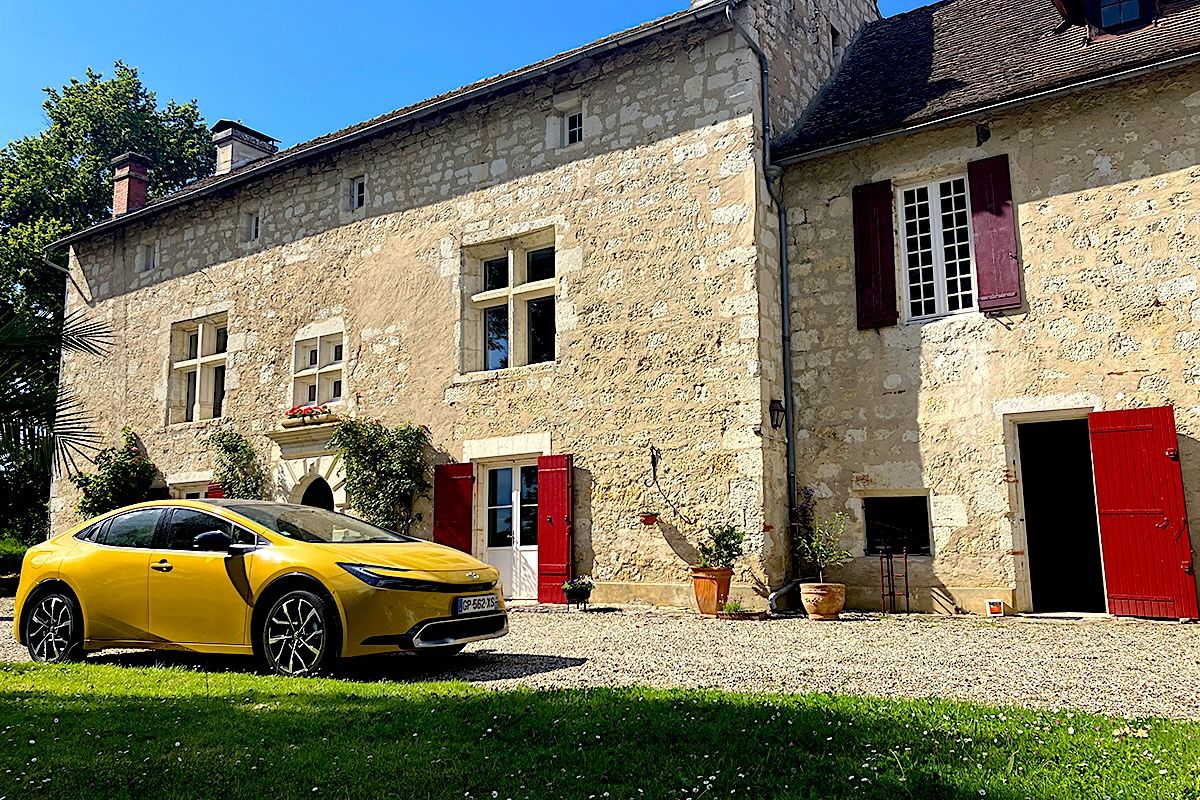
It Certainly Looks the Part
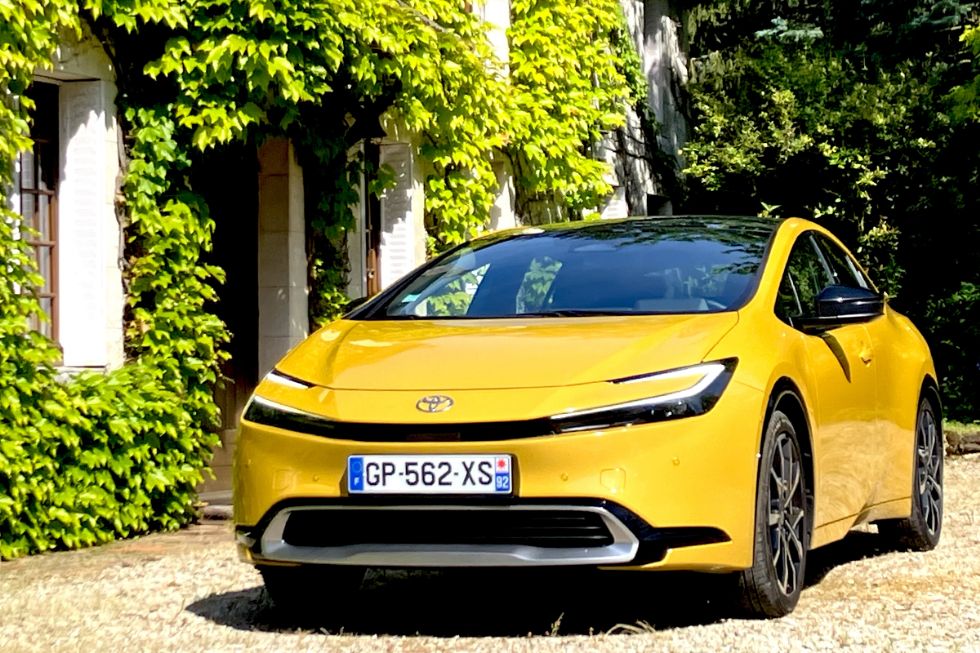
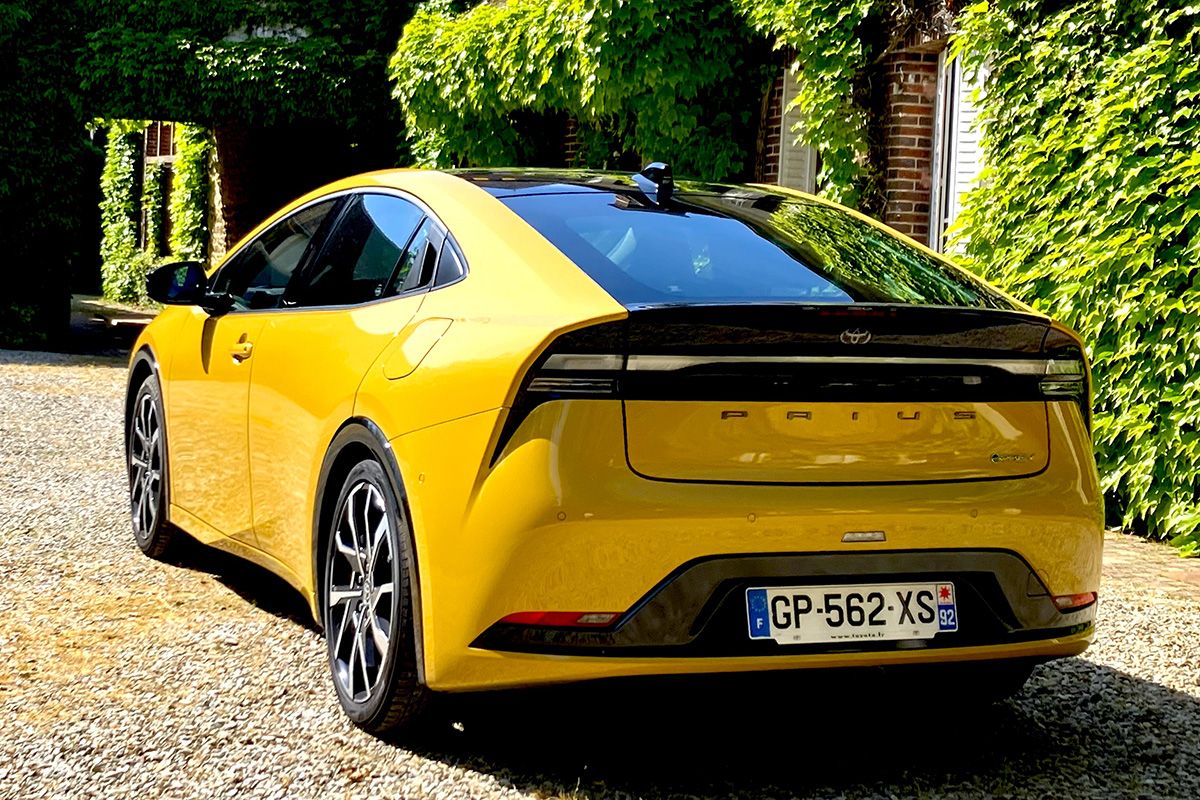
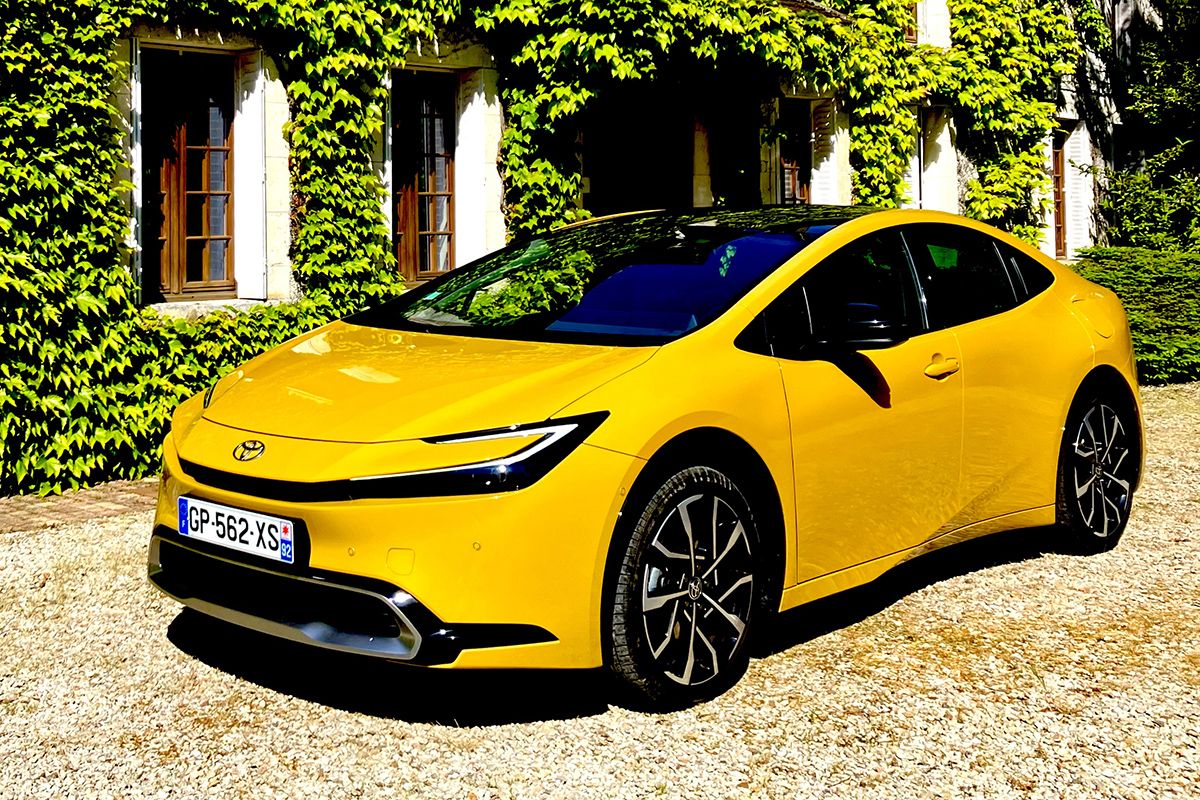
It certainly looks the part. That hammerhead front light bar had us using google translate a few times as onlookers gawked. New Prius retains a creased wedge shape and rearward roof peak. Smart and purposeful face polished 19-inch wheels contribute to that coupé stance.
Shorter, wider and lower than before, it rides on a 2-inch longer wheelbase in a stiffer, quieter, and more stable TNGA platform. The lower floor enhances cabin space and brings a dynamically improved low centre of gravity.
That certainly comes through on the road. Rapid enough to feel sporty, Prius is a little let down by a subtly wooden steering feel and a rather dull engine sound. Our route was by no means kind to plug-in motoring, however. While Prius loves B-roads and a little stop and go traffic to return below 4 litres per 100 km, it does not enjoy the freeway as much.
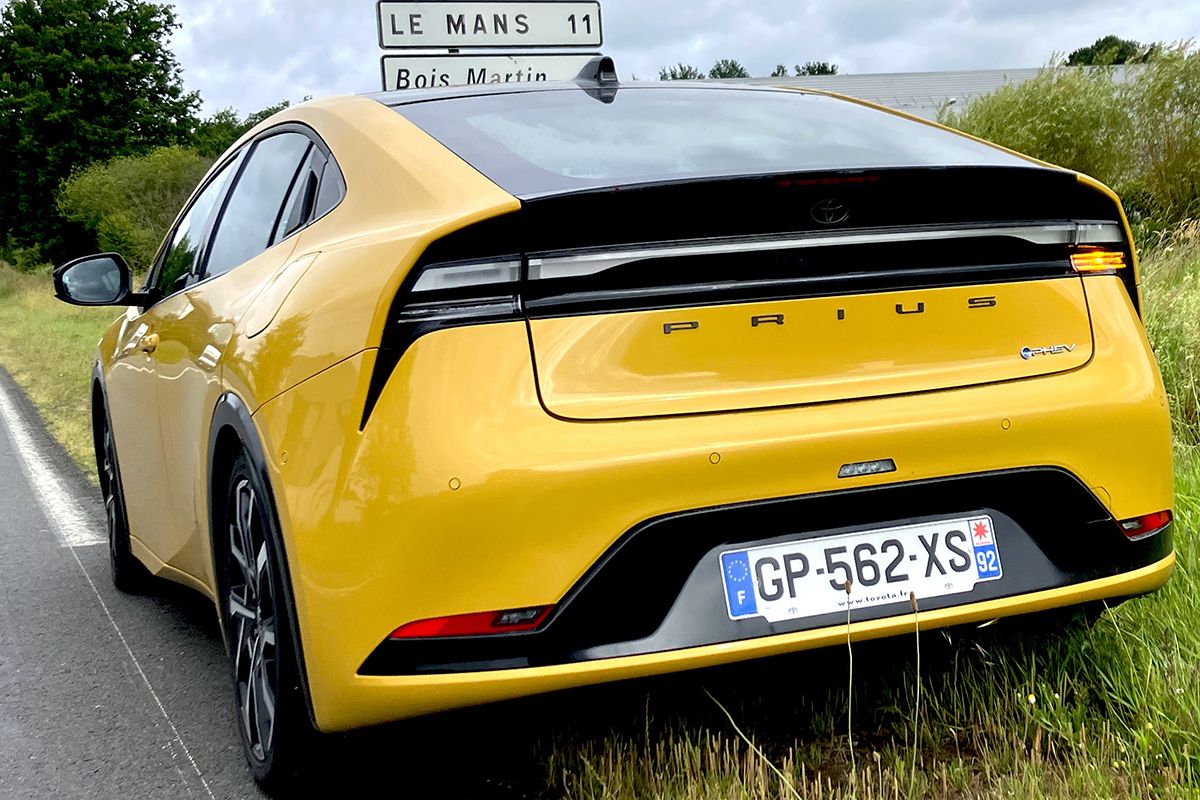
Prius Prefers B Roads to the Freeway
So we drove far more B roads where we could and were rewarded with great fuel consumption to match the many magic views en route. Comfortable and easy on the road, Prius is a pleasure to drive. Still, a plug-in hybrid is a bit of a fish out of water on the longer road and we soon learned a few crucial lessons about keeping it all charged up.
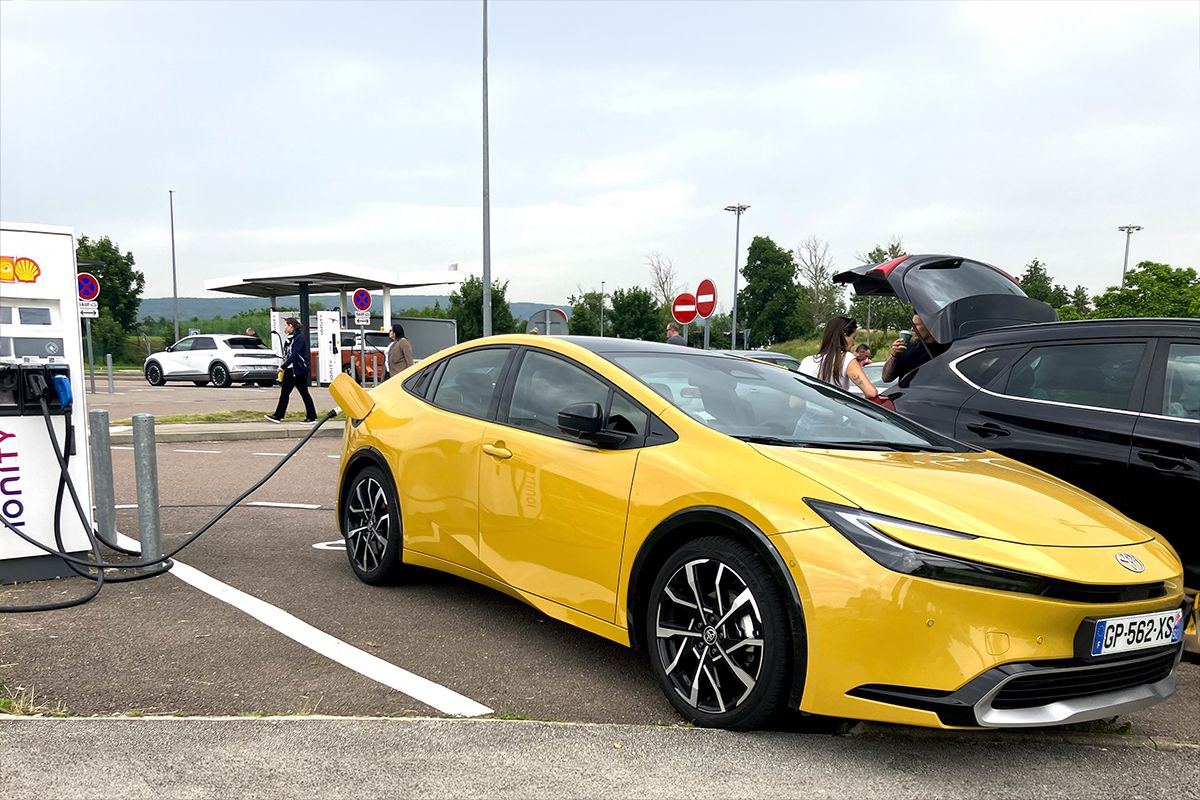
The first was not to bother try charging it. See, while 130-plus kilowatt-hour EV charging is all the rage in Europe, this car has a completely different plug and prefers a 40 kW-hour charge. Which takes far longer. And it’s often done on a separate, older charging station at the end of the charger row. Or away from them.
Then it took us three attempts to get it to charge before we realised that the car was set to a cheaper electricity nighttime charging schedule. With that off, it powered up. Slowly.
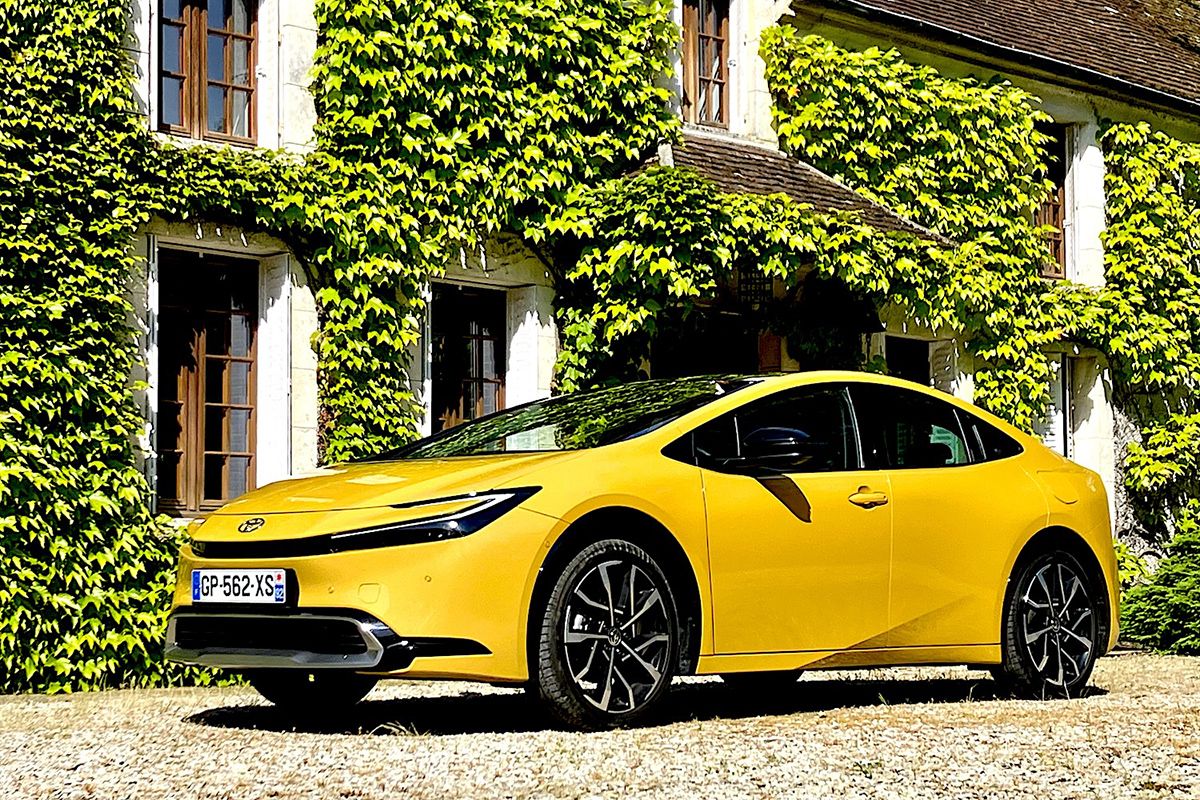
Does Prius Need to Charge Faster?
At one stop, a fellow plugged his almost flat Tesla into the fast charger alongside and added 80% charge to it in the time it took Prius to add 30% to a far smaller battery. Note to Toyota – make your plug-ins compatible with fast chargers!
We soon discovered that the best way to run Prius on the open road was to self-charge it to about 60%. That takes over an hour or so to achieve from zero on the freeway. Then simply select Hybrid mode, which will maintain that charge and drive as a regular hybrid wherever plausible.
Hybrid mode even works as an EV in the city, so all those advantages are retained. However, the car defaults to EV mode every time you start it, which can catch you with your pants down, and a depleted battery when you’re not paying full attention. I’d prefer if it defaulted to Hybrid mode. And let me choose when I want to be an EV.
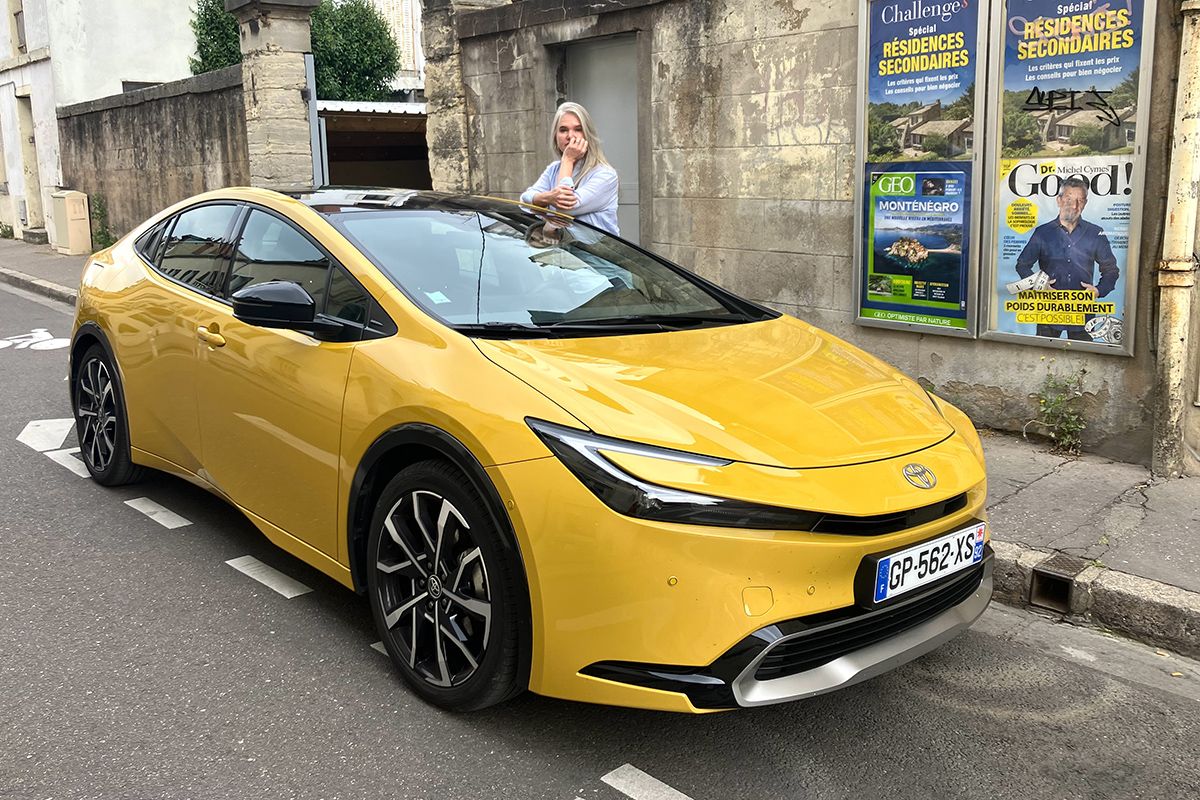
An Easy 500 kilometres Prius’ 35-litre Tank
At the end of the day, we managed well over 500 km every time on the 35-litre tank. And we had the advantage of EV mode when we needed it, to cruise all around town. To get deep into limited city centres where gas cars have long been banned.
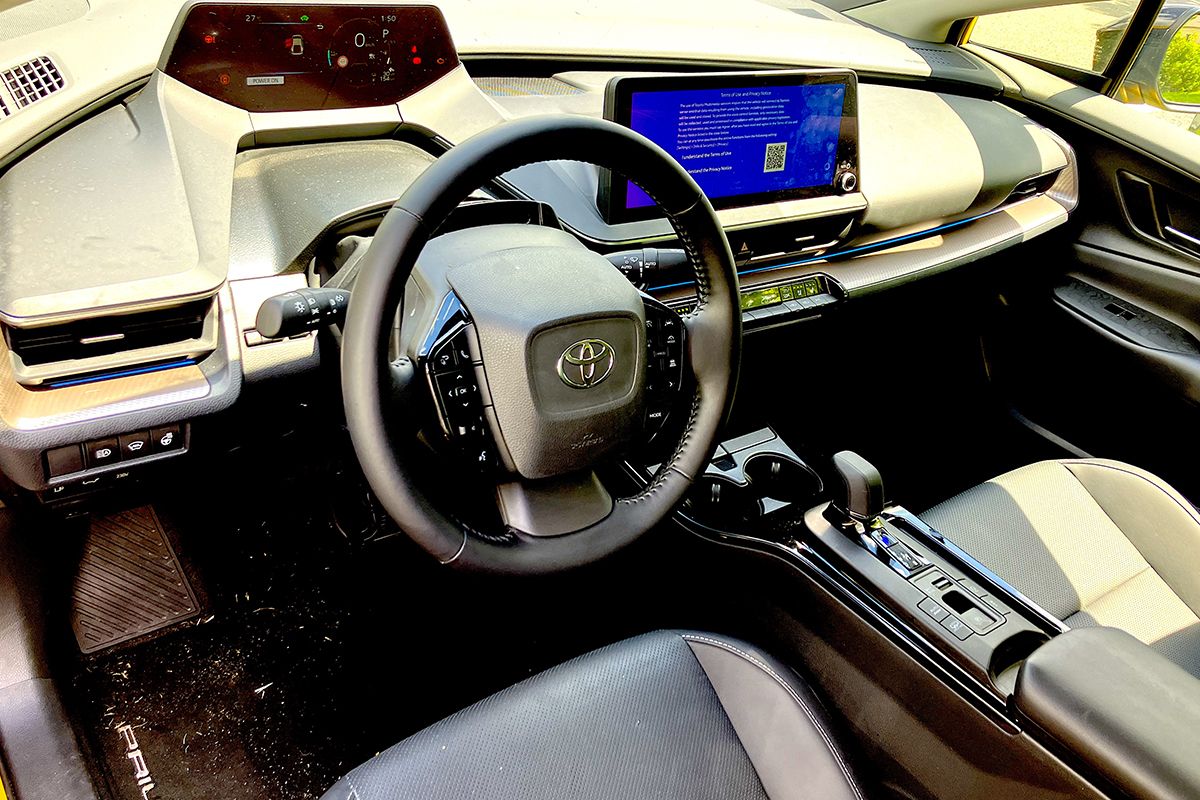
Prius’ completely revamped cockpit focuses on quality and driver comfort. The 7-inch digital display is placed above the steering and in your line of sight to minimise driver distraction, the new central infotainment screen is nicked from the Corolla.
Packed with every conceivable system, among them may be a bit overbearing to some of us. Even more complex to switch off via the steering buttons and dash display. Another challenge was while it was quite simple to switch the car language from French to English, we simply could not get the navigation voice to speak English!
We Enjoyed a Stunning Mission with our Prius
Overall, we enjoyed a stunning mission with our Prius and came away far bigger fans of plug-in motoring than we were before. Look, there certainly are areas where it can greatly improve. One would be to make it compatible with fast chargers. Another to retain the mode you left it in when you start again. And a few other little aspects.
But as far as a green motoring solution goes, all our little experiment did, was to prove why the world is suddenly turning en masse to the plug-in hybrid. Sure, it’s only half an EV. But then the gas other half is what people find so reassuring. It’s there, if, and when you need it. Or when you want it. And it’s probably the future. Now to watch it develop! – Michele Lupini
Why EVs Work in the First World
While our Prius mission focussed on living the plug-in life, we could not but notice why it is so much easier to live with an electric vehicle in first world Europe, than it is down here at the rear end of Africa. Our efforts to charge the Prius revealed how much more advanced the EV infrastructure is in overseas, versus the quite pathetic lack of it in SA.
For instance, wherever you stop in Europe, the gas stations are now fully compatible with EVs. So if you drive a recent generation Merc, BMW, Tesla, or whatever EV, there are ample charging stations on every forecourt to almost ensure a quick, full charge and get you back on the road pronto for the next few hundred kilometres before the next one.
In essence, by the time you’ve taken a comfort break, ordered your coffee and waddled back to your EV, it’s all charged up. Each 130 kW or faster charging station has three cables, each with the different relevant fast charger port to fit whatever car. Add separate stations for slower charging and cars like our Prius, with their different ports.
Cities are all set for EVs too
There are still drawbacks, however. Unlike petrol stations, where you drive up, fill up, pay and go, you must reverse into the EV charging bay. And a surprising number of EV stations are out in the open and exposed to the elements, while every gas pump is under cover. The charging stations are however simple to use. Just swipe the card, plug in and off you charge.
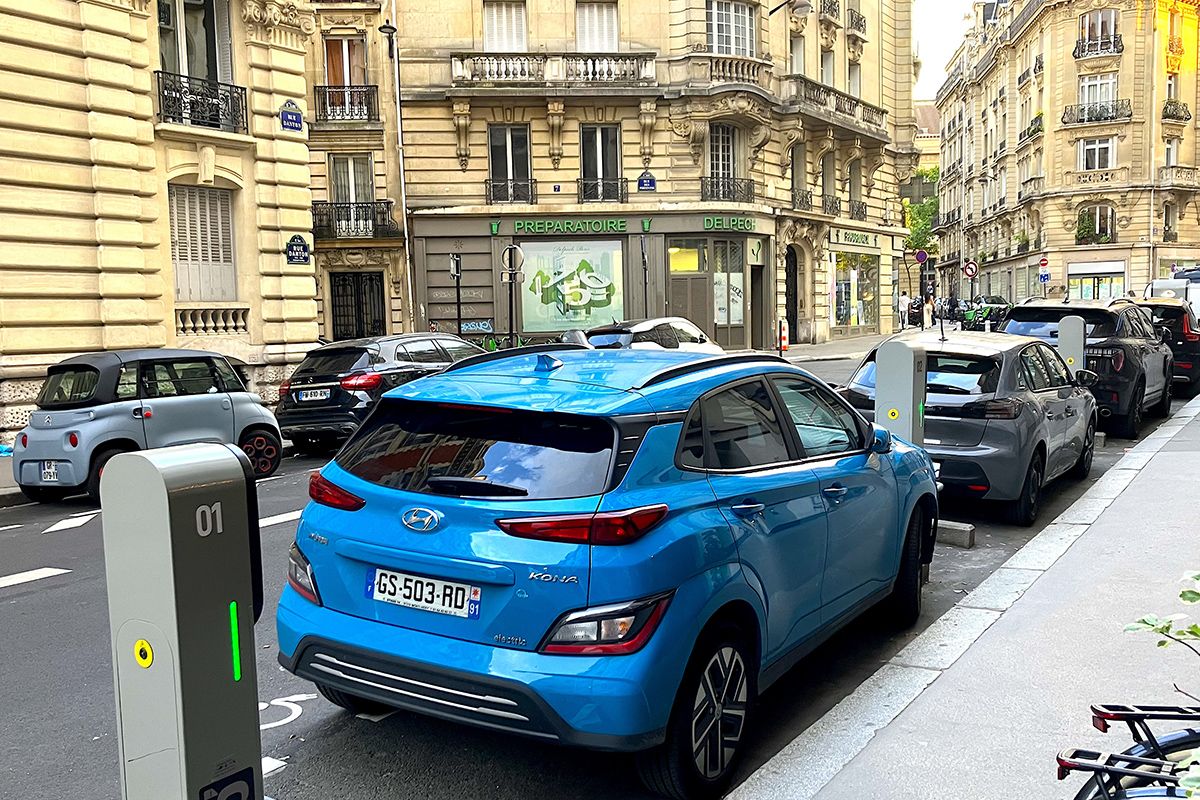
European cities are also jacked up to charge electric cars. In Paris, for example, there are entire city block rows of parking with EV charger equipped bays dedicated to EVs where cars of all shapes and sizes sit overnight to sip their juice.
Compared to South Africa, EV life is next level in Europe. Yet in spite of all that, EVs are still struggling. Still the infrastructure is now all in place that side. So if you want the EV life, it’s fully justified in the first world. Unlike in SA, where nobody seems to care a hoot about delivering a real solution… ML