Electronic shoelaces trip up Korean turbo punch, proper switchgear
Hyundai’s been on a rip over the past decade, transforming from a builder of sensible whitegoods into a genuine global powerhouse today praised for chassis poise and ergonomic common sense. Now South Africa gets the facelifted Creta’s new flagship 1.5T N Line derivative priced at a quite sensible R569K, armed with 118 kW, 253 Nm and a seven-speed dual-clutch gearbox. Which also means it slots straight into the busiest, most cut-throat pocket of the local crossover market.
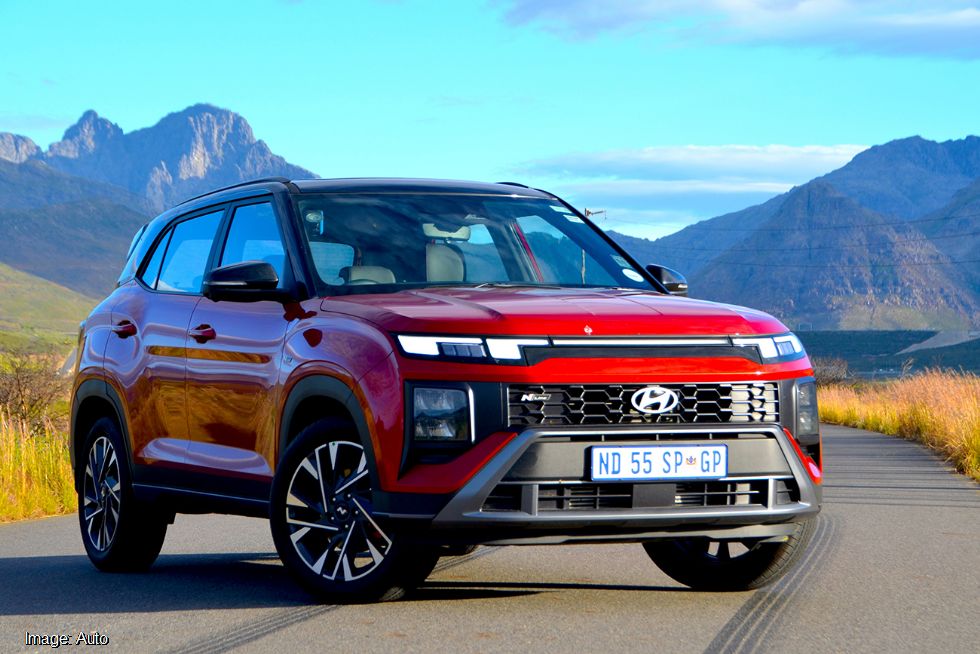
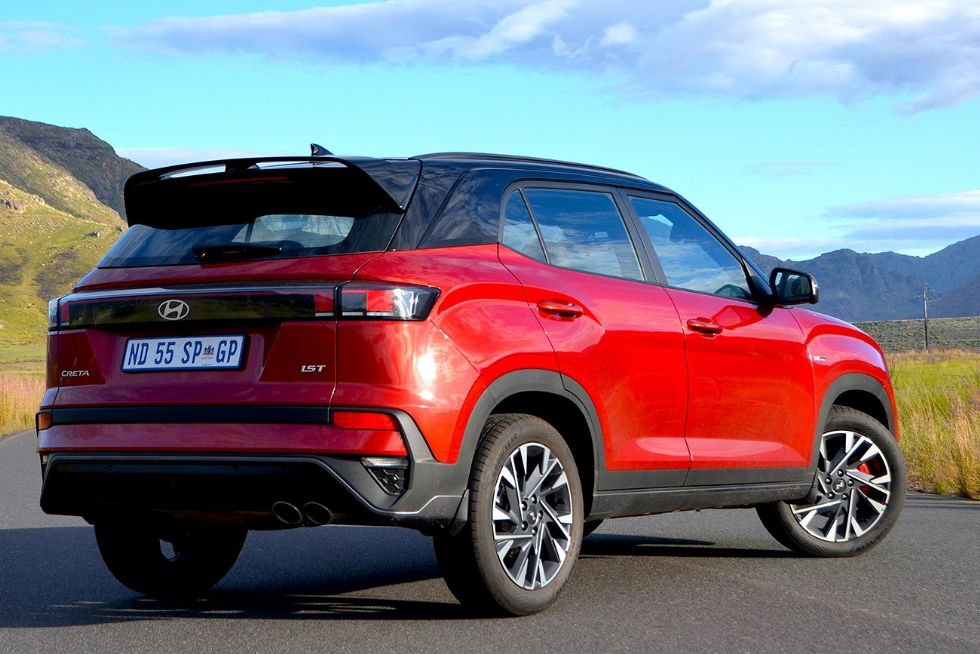
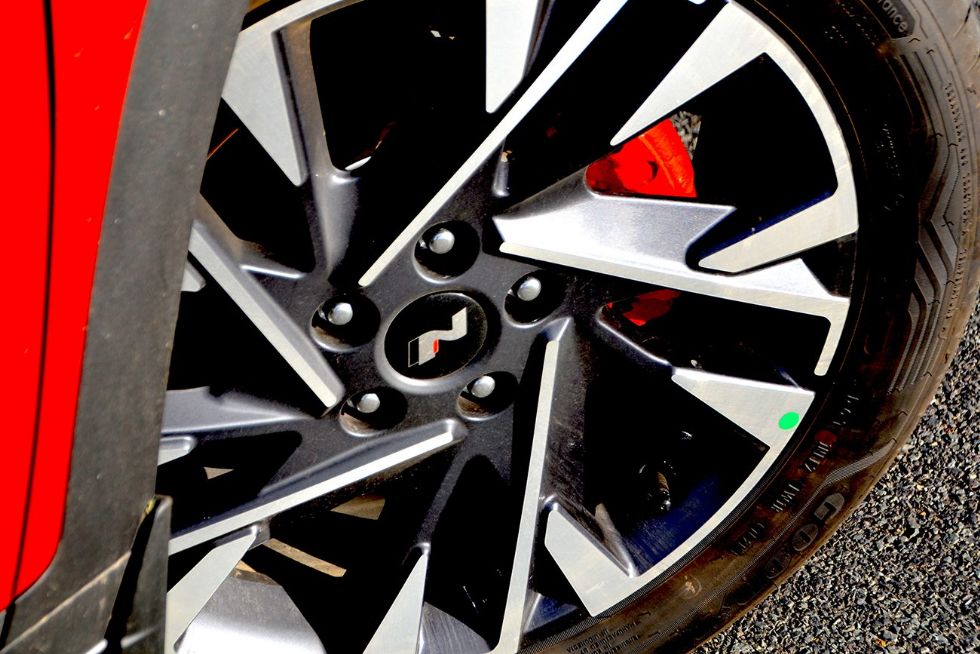
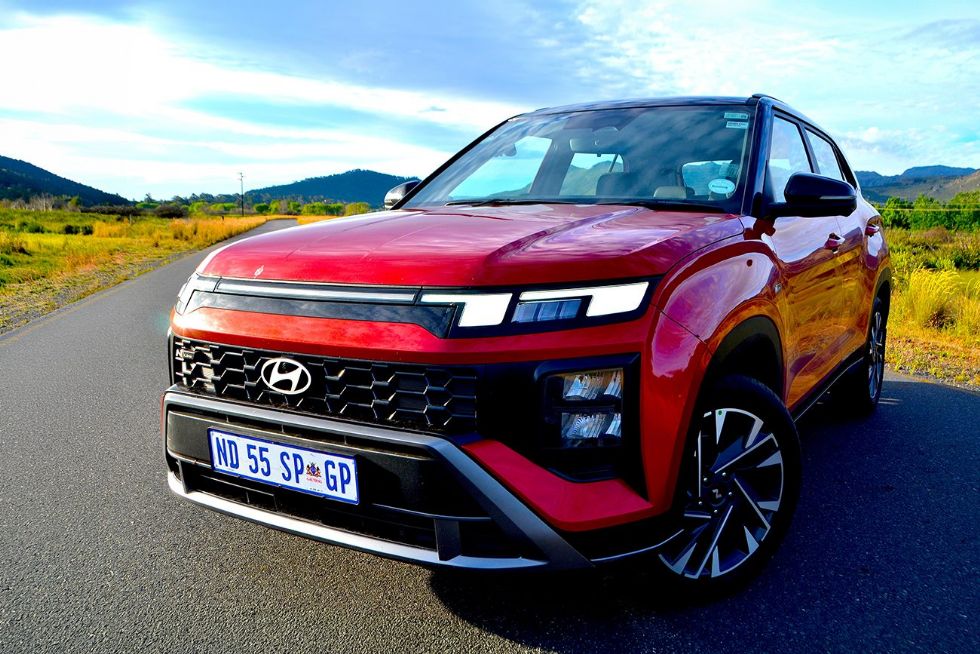
Walk up to it and the N Line treatment does a convincing job. It sharpens Creta's boxy, upright silhouette. Deepened front and rear bumpers with red accent strips, a dark chrome parametric grille, N Line badging and proper twin-exhaust give it genuine visual intent without tipping into boy-racer caricature. Red brake callipers peeking through machine-finished 18-inch alloys wrapped in 215/55 rubber complete a tidy, purposeful stance.
Unlike some rival crossovers that sacrifice glass area for dramatic coupe rooflines, the Creta keeps a sensible, airy glasshouse that promises real-world practicality before you even pull the door handle. It’s compact enough too, at 4330 mm long to thread effortlessly through tight suburban shopping centres, yet stands tall enough with 190 mm of clearance to shrug off broken tarmac and steep driveway aprons.
Proper Ergonomics Meet Patchy Plastics
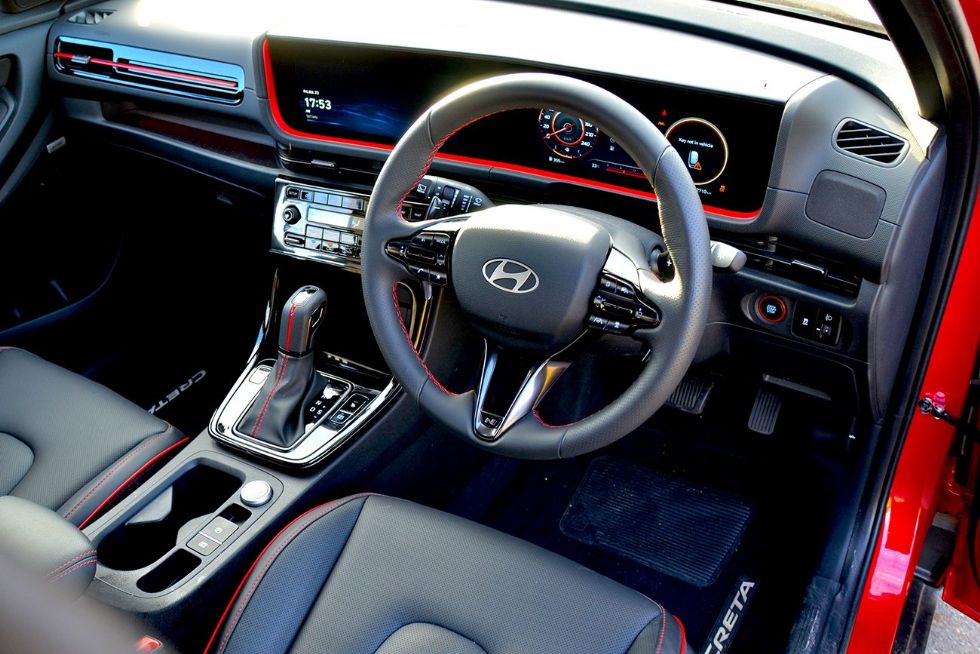
Step inside and N Line immediately wins over the screen-obsessed Chinese. Like Volkswagen, Hyundai was quick to turn tail after it went knobless and buried basic climate and audio functions three submenus deep on huge owner pushback. Now it gives you a proper, logical cockpit bristling with physical buttons, dials and toggles. Adjust the dual-zone climate, change radio volume, switch drive modes or activate seat ventilation in a second with one touch without taking your eyes off the road. Bravo!
Sporty visual upgrades continue inside with black headlining, red contrast stitching across the N-branded steering wheel and gear selector. Add heavily bolstered faux-leather sports seats to hold you securely while looking the part. Ahead of the driver sits a crisp 10.25-inch digital instrument cluster seamlessly integrated alongside a matching central infotainment touchscreen with wireless CarPlay, Auto and charging.
Space is equally well judged for a compact family haulier. It has generous headroom, decent rear legroom and a practical 433-litre boot that expands to 1401 litres with the bench down. Look closer at the lower door cards and the gloss-black surround framing the climate switchgear, however, and hard, scratchy plastics reveal Creta's emerging-market roots. It is solidly screwed together yet lacks the plush soft-touch ambience that several similarly priced Chinese rivals deliver as standard.
Ruined By Ridiculous, Nagging Nannies
Unfortunately, that praiseworthy physical ergonomics package is severely undermined the moment you turn a wheel. N Line is overrun by a deeply irritating suite of wholly overzealous electronic driver aids. This top Creta comes with the full house of ADAS technology. And everything from adaptive cruise control to lane-keeping assist, blind-spot monitoring and driver fatigue detection seems to be run by a prefect in her first week of matric.
Stray within a whisper of a painted white line on a narrow Cape pass and the steering wheel tugs sharply at your hands. Never mind the shrill chimes erupting from deep behind the dashboard. Worse still, the steering column mounted driver attention monitor scolds you with relentless bongs the moment you dare glance at the side mirror, check a blind spot or adjust the climate for longer than a heartbeat. And worst of all, you need to dive way too deep into the menus to silence the worst offenders. And most reset themselves every time you restart the car.
Wake up, Hyundai. Like you went back on being knobless, you must now control your nannies. This infuriating own goal turns an otherwise fine commuter into a nagging backseat driver. Like many other overly intrusive EU-mandated speed and lane chimes on modern cars, Hyundai's local calibration is overly hyperactive on South African roads where faded lane markings and pothole-dodging are part of daily survival.
Quick Against The Clock, Hesitant Off The Line
Moving under the bonnet, Hyundai's 118 kW 253 Nm 1482 cc turbo petrol four-pot turns the front wheels via a seven-speed dual-clutch box. Once moving and properly spooled up, Creta N Line is genuinely brisk as our VBox telemetry reports. Brake-boosting off the line fires it to 100 km/h in 7.5 seconds and it dispatches 400 metres in a handy 15.5 seconds at 147 km/h. Punching from 80 to 120 km/h takes a crisp five seconds to easily eclipse Hyundai's conservative factory claims to give it real overtaking muscle.
In everyday town driving, however, the powertrain suffers launch failure and a sloppy throttle. Pull away gently and N Line suffers classic low-speed DCT hesitation followed by an abrupt surge of torque. Oddly disconnected unless you take it by the scruff of the neck is hardly how anyone wants to drive the school run.
Once into its stride, however, the chassis strikes an admirable compromise between sporting control and daily comfort. Body roll is neatly contained; high-speed stability is reassuring as the suspension absorbs scarred urban tar without crashing or jarring. Although typically short on road feel even in Sport mode, the electric power steering remains light, reminding you this is an N Line rather than a full-house N car. And real-world consumption hovers around 7.2 l/100 km against a 6.9 l/100 km claim, but fuel range is limited by the small 40-litre tank.
Tough Rivals And A Mixed Verdict
At R569,900, the Creta N Line sits in a brutal crossfire from legacy heavyweights and aggressive Chinese challengers alike. It undercuts its R614K Kia Seltos 1.5 T-GDi GT-Line stepsister while out-punching the R553K 110 kW Volkswagen T-Cross 1.5 TSI R-Line and slower R569K Toyota Corolla Cross 1.8 HEV GR-Sport in a straight line. Turn to the Chinese, however, and a R549K Chery Tiggo 7 Pro Max 1.6T Legacy DCT or the larger R542K Haval H6 2.0T Super Luxury offer noticeably richer cabin materials and more metal for less money, even if neither matches the Hyundai's clean real button layout.
Ownership peace of mind remains a Hyundai trump card. Backed by a comprehensive five-year or 150,000 km vehicle warranty, there’s an additional two-year or 50,000 km drivetrain warranty to take mechanical cover to seven years or 200,000 km, and a four-year or 60,000 km service plan. And that proven national dealer network still carries real weight against newer challenger brands and their long-term parts pipeline concerns.
The Hyundai Creta N Line is ultimately a fundamentally capable, genuinely quick compact SUV let down by self-inflicted calibration quirks and some response and lag issues. Give us that punchy turbo engine, sorted ride and sensible knob-and-button cockpit without the hesitant pull-away and relentless electronic nagging, and this would be an easy class frontrunner. As it stands, it is a likeable all-rounder that makes you work far too hard to enjoy its best traits. – Michele Lupini
Images & Testing: Giordano Lupini
ROAD TESTED: Hyundai Creta 1.5T N Line DCT
Engine: 118 kW 253 Nm 1482 cc turbo petrol I4
Drive: 7-speed dual-clutch FWD
TESTED:
0–60 km/h:         3.64 sec
0–100 km/h:        7.55 sec
0–120 km/h:        10.39 sec
0–160 km/h:        19.09 sec
400m:              15.5 sec @ 148 km/h
80–120 km/h:       5.01 sec
120–160 km/h:      8.69 sec
CLAIMED:
VMax:              195 km/h
Fuel:              6.9 l/100 km
CO2:               137 g/km
Range:             580 km
Warranty/Service:  5y 150K km/4y 60K km
LIST PRICE:        R569K

How does it compare?
Check with Auto's Test Data right here